
Medical Detoxification for Addiction
Detoxification is a medical procedure that represents the first and essential step in addiction treatment. Whether the addiction involves alcohol, drugs, or medication, the body of a person affected by this condition is burdened with toxic substances that directly affect both physical and mental health.
As a medical procedure, detoxification has two primary goals: to remove accumulated toxins from the body and to relieve the symptoms of withdrawal that occur when the use of a psychoactive substance is discontinued. This stage is crucial because, without physical stabilisation and recovery, the patient is not able to fully engage in psychotherapy and the long-term recovery process.
It is important to distinguish between physical and psychological dependence. Physical dependence is a condition in which the body can no longer function normally without a particular substance, and its sudden discontinuation may cause painful and potentially dangerous symptoms. Psychological dependence, on the other hand, involves an emotional and mental need for the substance, often developed in response to stress, trauma, or habitual use.
For this reason, detoxification is the first and necessary procedure, as it helps cleanse and stabilise the body while creating a foundation for further therapeutic work at the emotional and psychological levels.
Which Types of Addiction Require Detoxification?
Detoxification is used in the treatment of various forms of addiction, most commonly those involving the prolonged use of psychoactive substances that alter brain chemistry and bodily functions. Although each type of addiction has its own specific characteristics, they all share a common requirement: a medically supervised procedure that helps eliminate toxic substances from the body and prepares the patient for the next stages of treatment.
Drug Detoxification
Drug detoxification is used in the treatment of dependence on opioids (heroin, morphine, buprenorphine), cocaine, amphetamines, ecstasy, marijuana, and other psychoactive substances. It is generally carried out in an inpatient setting due to the severity of withdrawal symptoms.
Alcohol Detoxification
Alcohol is a widely available and legal substance that can cause severe physical and psychological dependence. Detoxification is necessary to stabilise the liver and nervous system under strict medical supervision.
Medication Detoxification
Medication detoxification most commonly involves dependence on benzodiazepines, analgesics, antidepressants, and opioids that were originally prescribed for therapeutic purposes. These procedures require a careful and gradual approach due to the risk of serious complications when use is discontinued.
Polysubstance Dependence
When a person uses several different substances, the detoxification procedure must be carefully planned and carried out using a multidisciplinary approach in order to prevent harmful interactions and minimise additional risks.
Regardless of the type of addiction, detoxification is an essential medical procedure that provides a safe start to recovery and helps prevent the serious consequences of abruptly stopping substance use.
Our professional team is available for consultations about the available treatment programs.
What Does the Detoxification Process Involve?
The detoxification procedure is carried out in clearly defined stages designed to ensure patient safety and the effective elimination of psychoactive substances from the body. The aim is not only to remove these substances physically, but also to stabilise vital functions so that the patient can proceed to the next stage of treatment – psychotherapy and rehabilitation.
a) Diagnostic Assessment and Patient Preparation
Before detoxification begins, the patient undergoes a comprehensive diagnostic assessment. This stage includes:
- Blood and urine laboratory tests
- Psychiatric and psychological assessment
- Internal medicine examination and assessment of vital functions
Based on the findings, an individualised detoxification plan is developed, taking into account the type of substance used, the duration of substance misuse, the patient’s general health, and any potential contraindications.
b) Inpatient Medical Detoxification
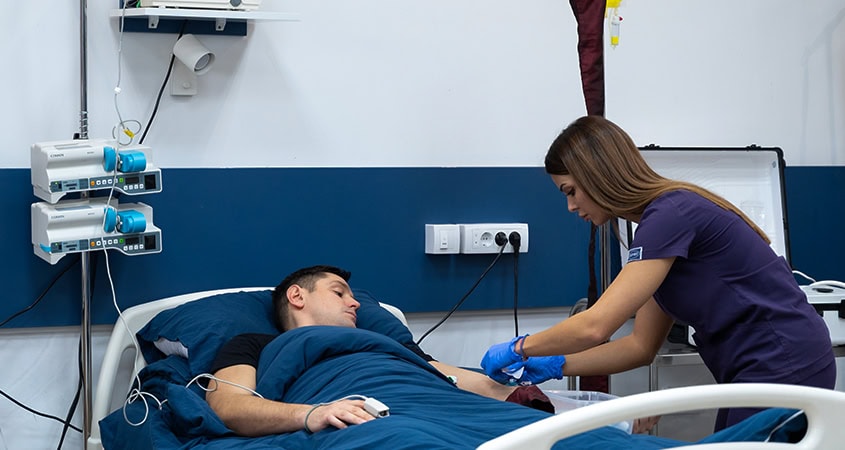
At the clinic, detoxification is carried out under continuous supervision by physicians and medical staff. Throughout the procedure, the patient is provided with:
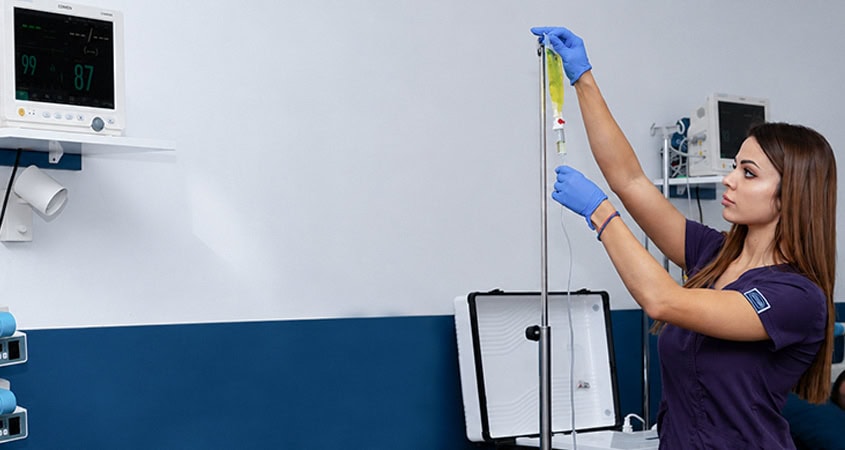
- Intravenous fluids for rehydration and the administration of vitamins and electrolytes
- Medication to relieve withdrawal symptoms
- Continuous monitoring and real-time adjustment of treatment
The aim is to reduce withdrawal symptoms, stabilise the patient’s condition, and help them feel physically well enough to proceed to the next stages of treatment.
c) Withdrawal – Symptoms and Duration
Withdrawal is an expected part of the detoxification process, but its intensity can be significantly reduced when the procedure is properly managed.
The most common symptoms include:
- Physical symptoms: sweating, tremors, vomiting, muscle pain, and insomnia.
- Psychological symptoms: anxiety, depression, irritability, hallucinations, and panic.
Symptoms usually begin within 6 to 12 hours after the substance is discontinued and are generally most intense during the first 72 hours. In a clinical setting, the patient goes through this stage with appropriate medical and therapeutic support.
Types of Detoxification by Method
There are several methods of detoxification, selected according to the type of substance used, the severity of the addiction, the patient’s general health, and the urgency of the intervention. Each method has its own advantages and limitations, but they all share the same objective: the safe elimination of toxic substances from the body and the stabilisation of the patient.
It is important to emphasise that each of these methods is a medical procedure carried out under controlled clinical conditions.
Standard Detoxification
This method involves the gradual elimination of the substance from the body, supported by medications that help relieve withdrawal symptoms.
- Duration: usually 7–10 days.
- Advantages: a gradual and stable process with a low risk of complications.
- Suitable for: most forms of addiction, particularly when the patient’s condition is complex.
Rapid Detoxification (ROD – Rapid Opiate Detoxification)
This method uses a protocol designed to accelerate the onset of withdrawal, after which the symptoms are medically managed and alleviated.
- Duration: 2–5 days.
- Advantages: reduces the duration of physical withdrawal.
- Suitable for: medically stable patients with opioid, medication, or alcohol dependence.
Ultra-Rapid Detoxification (UROD – Ultra-Rapid Opiate Detoxification)
Ultra-rapid detoxification is an intensive medical procedure carried out under the continuous supervision of a medical team. During the procedure, the patient remains in a controlled and protected state while specialised medications are used to accelerate the elimination of opioids from the body. At the same time, withdrawal symptoms are medically managed to ensure the highest possible level of patient safety and comfort.
- Advantage: The patient does not experience severe withdrawal symptoms in the usual way, as the procedure is designed to protect them from the physical and emotional stress associated with withdrawal.
- Limitations: The procedure is performed only in patients who do not have serious chronic health conditions and who have previously undergone a complete diagnostic assessment.
- Important note: The medical team determines the most appropriate type of detoxification based on the patient’s individual health status and a professional risk assessment.
Our team is available to provide consultations about treatment programs.
Detoxification by Type of Addiction
Each type of addiction has its own specific characteristics, depending on the substance involved, the way it affects the body, and the course of withdrawal. For this reason, the detoxification procedure varies according to the type of addiction. Although the approach is always individualised, general protocols are applied depending on the psychoactive substance involved.
a) Alcohol Detoxification Procedure
Alcohol dependence is not solely a psychological problem. It directly impairs the functioning of the liver, nervous system, heart, and endocrine system. The liver, which plays a central role in the body’s detoxification processes, is often already damaged in people with chronic alcohol dependence, making the procedure more complex.
For this reason, alcohol detoxification must be regarded as an urgent medical procedure that requires a professional approach and continuous supervision by a medical team.
Duration of detoxification: 5–7 days
In most cases, physical detoxification from alcohol lasts between five and seven days, depending on:
- The duration and intensity of alcohol use
- The amount of alcohol consumed
- The patient’s general health
- The presence of additional medical conditions (particularly liver and heart disease)
In patients with severe alcohol dependence, this period may be extended and may include additional diagnostic and therapeutic procedures.
What Does the Detoxification Procedure Include?
Treatment in a clinical setting includes:
- Intravenous solutions rich in vitamins and electrolytes – to rehydrate and replenish the depleted body.
- Hepatoprotective medications – medicines and supplements that protect the liver and support its regeneration.
- Anticonvulsants – medications used to prevent seizures, which are a common complication of alcohol withdrawal.
- Sedatives and anxiolytics – used to stabilise the nervous system, reduce agitation, and prevent delirium.
In addition to receiving treatment, the patient has continuous access to medical staff who monitor vital signs, respond to any changes, and adjust the therapy in real time when necessary.
Risks and Dangers During Alcohol Detoxification
Untreated or improperly managed alcohol withdrawal can lead to serious consequences, including:
- Delirium tremens – an acute, life-threatening condition involving hallucinations, disorientation, and severe autonomic hyperactivity.
- Seizures – caused by an imbalance in neurotransmitter activity.
- Cardiac arrhythmias – which may lead to loss of consciousness or even cardiac arrest.
Because of these risks, alcohol detoxification must be carried out exclusively in a hospital setting under 24-hour supervision by qualified medical staff. Attempting to stop drinking without medical supervision can lead to serious complications and may even be fatal.
b) Drug Detoxification Procedure
Drug addiction is one of the most severe forms of addiction, as it can rapidly damage both a person’s physical and mental health. Each psychoactive substance affects the body through a specific mechanism, which is why the medical detoxification procedure must be tailored to the individual situation and the particular substance used by the patient.
Opioid Detoxification
Heroin, morphine, buprenorphine, and methadone can all cause severe physical dependence. When their use is discontinued, the patient may experience intense withdrawal symptoms, including:
- Severe muscle pain
- Vomiting and diarrhoea
- Tremors and chills
- Insomnia
- Elevated body temperature and blood pressure
- Intense cravings for the substance
In these cases, substitution therapy – such as methadone or buprenorphine – is often used to stabilise the body gradually. However, this type of treatment must be carefully monitored, as it also carries a risk of developing a new dependence. Rapid and ultra-rapid detoxification methods may be considered as alternatives, as they accelerate the elimination of opioids and shorten the duration of physical dependence.
Cocaine and Amphetamine Detoxification
These substances primarily cause psychological dependence, but prolonged misuse can have serious effects on the nervous system. Withdrawal symptoms may include:
- Severe depression
- Extreme exhaustion
- Anxiety and paranoia
- Insomnia and reduced appetite
- Intense psychological cravings
Detoxification for these patients focuses primarily on psychological stabilisation through the use of anxiolytics and antidepressants, regular psychotherapy, and mandatory psychoeducation. The outcome depends largely on the patient’s motivation, as well as on the intensity and consistency of psychological support.
Detoxification from Cannabis and Synthetic Drugs
Cannabis and so-called “designer drugs” (Spice, MDMA, and synthetic cathinones) generally cause milder physical dependence, but they can frequently lead to:
- Chronic anxiety
- Sleep and concentration difficulties
- Emotional numbness
- Panic attacks
- Behavioural changes
Detoxification from these substances usually does not require aggressive pharmacological intervention. Instead, the emphasis is placed on psychological stabilisation, establishing a structured daily routine, maintaining a balanced diet, and incorporating physical activity into the patient’s everyday treatment programme.
Duration and Course of the Procedure
On average, drug detoxification lasts between 7 and 10 days. However, depending on the type of substance used, the duration of substance misuse, and the patient’s general health, this period may be extended.
Treatment is delivered through a multidisciplinary approach and includes:
- Pharmacological therapy – used to relieve withdrawal symptoms and support the patient’s physical and psychological stabilisation.
- Psychoeducation and psychotherapy – help the patient understand addiction, develop healthier coping strategies, and prepare for long-term recovery.
- Nutritional support and physical rehabilitation – help restore physical strength, improve overall health, and support the body’s recovery.
c) Medication Detoxification Procedure
Medication dependence is distinct because it often begins legitimately, with medication prescribed by a doctor. However, when these medications are taken for longer than recommended, in higher doses, or for purposes other than those for which they were prescribed, serious physical and psychological dependence may develop. Medication detoxification is the first and most important step towards overcoming this often hidden but potentially severe form of addiction.
The Most Common Types of Medication Dependence
- Benzodiazepines – medications used to treat anxiety and insomnia, such as bromazepam, diazepam, and alprazolam. Dependence can develop rapidly, and withdrawal symptoms may include panic attacks, tremors, insomnia, hallucinations, and seizures.
- Opioid analgesics – pain-relieving medications such as tramadol, oxycodone, and codeine can cause severe physical dependence. Discontinuation may result in intense physical pain, nausea, tremors, insomnia, and irritability.
- Antidepressants and sedatives – although they do not typically produce the “classic euphoria” associated with certain other substances, prolonged misuse may lead to emotional instability, social withdrawal, and withdrawal symptoms when use is discontinued.
Severe Withdrawal Symptoms
Medication dependence, particularly dependence on benzodiazepines, can cause some of the most complex and dangerous withdrawal syndromes, including:
- Psychosis and severe paranoid episodes
- Convulsions and epileptic-like seizures
- Severe depressive episodes and suicidal thoughts
- Hallucinations and disorientation
- Severe anxiety and persistent insomnia
Because of these symptoms, medication detoxification must be carried out exclusively in a controlled hospital setting, with medical staff continuously present and able to intervene immediately if necessary.
Medication Detoxification Methods
Depending on the type of medication involved and the patient’s general health, the following methods may be used:
- Rapid detoxification (ROD) – medications are used to accelerate the onset of withdrawal, after which the symptoms are carefully managed with appropriate pharmacological treatment and psychological support. The aim is to overcome physical dependence within the shortest medically safe period.
- Ultra-rapid detoxification – a specialised procedure in which the patient passes through the withdrawal phase more rapidly under strictly controlled clinical conditions. Medications are used to accelerate the elimination of opioids from the body while simultaneously reducing withdrawal symptoms and protecting the patient from severe physical and psychological reactions.
Duration and Individualised Approach
Medication detoxification usually lasts between 3 and 7 days. However, in some cases, the process may take longer, particularly when medications have been misused for several years or when multiple medications have been combined.
The treatment plan is always developed individually, based on:
- Duration of medication dependence
- Type of medication used
- Patient’s physical and psychological condition
- Presence of co-occurring health conditions
The procedure includes:
- Medication to stabilise the patient and relieve withdrawal symptoms
- Psychological support and assessment
- Balanced nutrition and adequate rehydration
- Gradual preparation for the continuation of treatment through psychotherapy
Is It Safe to Detox at Home?
Detoxification is a complex medical procedure. Although it may sound straightforward in theory, in practice it can carry serious risks to the patient’s health and life. For this reason, attempting detoxification at home is strongly discouraged, particularly without medical supervision.
Why Is Detoxification at Home Dangerous?
- Unpredictable withdrawal: withdrawal symptoms may be mild, but they can also become extremely severe and include seizures, delirium, psychosis, sudden increases in blood pressure, and abnormal heart rhythms.
- Lack of medical support: without appropriate medication and a qualified medical team, symptoms may become difficult to control and lead to serious complications.
- Psychological risks: loneliness, feelings of helplessness, and difficulty maintaining self-control may cause the patient to discontinue detoxification and return to substance use.
- Risk of relapse: the home environment often contains triggers, such as certain places, people, or habits, that can increase cravings and the urge to use the substance again.
Why Is Detoxification in a Clinical Setting Safer?
- Under continuous supervision by doctors and nurses
- With immediate access to emergency medical intervention
- With treatment adjusted precisely to the patient’s condition at every stage
- In a controlled environment free from external triggers
Whether the addiction involves alcohol, medication, or drugs, detoxification at home can be dangerous. It is therefore essential to seek help from a specialised medical facility with the experience, expertise, and resources required to provide safe and effective treatment.
What Happens After Detoxification?
Although detoxification is a crucial stage, it is not the end of treatment – it is the beginning of recovery. This procedure addresses physical dependence, but it does not resolve the deeply rooted psychological and emotional factors that contributed to the development of addiction. For this reason, continuing treatment after detoxification is an equally important part of the recovery process.
a) Psychotherapy and Psychological Stabilisation
Once the body has been physically stabilised and cleared of the substance, treatment continues with a focus on mental health:
- Individual psychotherapy helps patients identify the underlying causes of their addiction, as well as patterns of avoidance and denial.
- Group and family therapy provide opportunities to share experiences, rebuild relationships, and receive support within a therapeutic community.
- Specialised therapeutic methods may also be used depending on the patient’s individual profile, including behavioural therapy, NET therapy, Transair, and other psychological stabilisation techniques.
The aim of this phase is to help the patient develop a new and more stable psychological framework that is more resilient to stress and external triggers.
b) Pharmacological Support and Blocking Medication
In some cases, medications may be used to:
- Block the effects of psychoactive substances – so that using them no longer produces the expected effect.
- Reduce cravings – particularly in patients with alcohol or opioid dependence.
- Stabilise mood – and help regulate sleep, appetite, and energy levels.
These medications are included in the treatment plan only when prescribed by a psychiatrist and are always administered under continuous medical supervision.
c) Outpatient Phase and Long-Term Support
After discharge from the clinic, the patient enters the post-acute phase of recovery, which lasts between 6 and 12 months. During this period, the patient gradually returns to everyday life with:
- Regular monthly follow-up appointments
- Adjustments to treatment when necessary
- Guidance on nutrition, daily habits, and the patient’s environment
- Online or in-person support from a therapist – when regular visits to the clinic are not possible.
The aim of this phase is to prevent relapse, strengthen motivation, and rebuild the self-confidence that may have been damaged during the period of addiction.
Detoxification as a Path Back to Yourself
Addiction to psychoactive substances, regardless of its form, can severely damage physical health, psychological stability, and personal relationships. The good news is that addiction can be treated – and the first and most important step is detoxification. This medical procedure involves more than removing substances from the body; it also helps the patient regain control over their physical health, emotions, and decisions.
Detoxification is the foundation of recovery, but it is not the final goal. It prepares the patient for meaningful change – psychological recovery and the development of a new direction in life. With professional support from doctors, therapists, and family members, long-term abstinence is achievable, and it is possible to rebuild a life free from addiction.
If you or someone close to you recognises the signs of addiction, do not wait until the situation becomes unbearable. Timely intervention can save a life.
Contact us today. Our team will guide you through the next steps, explain the procedure, and provide the reassurance that you are not alone.
Detoxification is not the end – it is the beginning of freedom.
Reviewed and verified by the MedTiM clinical team.