
Crystal Meth Addiction Treatment
Crystal meth addiction, also known as methamphetamine addiction, is one of the most severe forms of substance use disorder faced by modern medicine. This synthetic drug acts directly on the central nervous system, producing an immediate sense of euphoria, hyperactivity, and increased energy. However, these effects are short-lived, while the physical, mental, and emotional toll on the body is extremely high.
People who use crystal meth can develop a powerful addiction very quickly. As tolerance builds, use becomes more frequent and doses increase, leading to severe health consequences, including damage to the brain, heart, liver, and overall physical and psychological functioning.
For this reason, timely and professional treatment for crystal meth addiction is essential for recovery and for preventing permanent damage. Read on to learn how to recognize addiction, what the detoxification process involves, how long rehabilitation takes, and what treatment includes.
What Is Crystal Meth (Methamphetamine)?
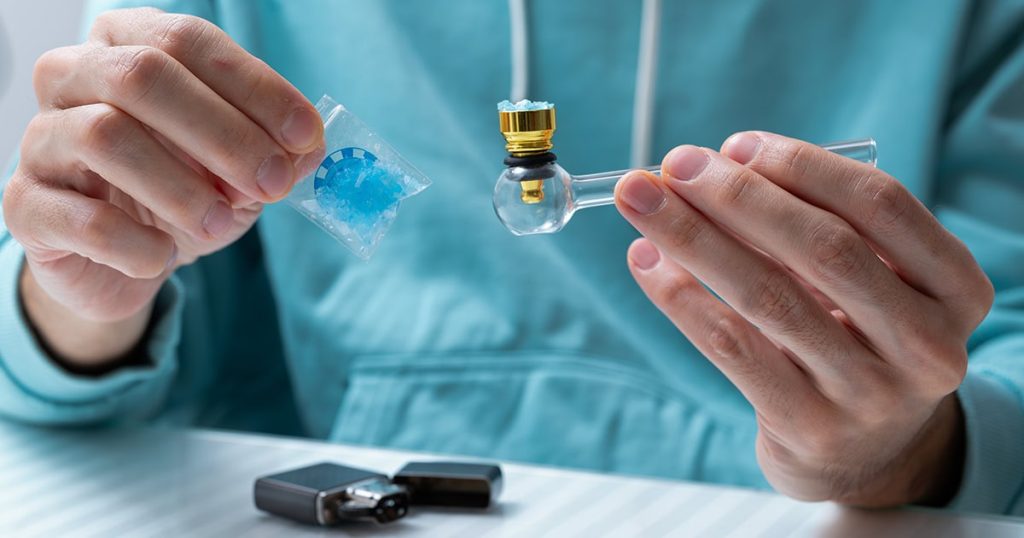
Crystal meth is a powerful synthetic stimulant that affects the central nervous system, accelerating brain activity and producing intense stimulant effects. When used illegally, it most commonly appears as clear crystals or a white powder and is known by street names such as crystal meth, meth, Tina, ice, or glass.
Methamphetamine was first synthesized in the late 19th century and was used medically during the 20th century to treat conditions such as ADHD and severe obesity, although in doses far lower than those commonly abused today.
Because of its rapid and powerful effects, crystal meth quickly becomes the drug of choice for people seeking:
- A sense of power and euphoria
- Prolonged alertness and focus
- Increased self-confidence
- A heightened sex drive, particularly in so-called “chemsex” settings
Unfortunately, it is precisely these short-lived effects that make the drug highly addictive, with powerful psychological and physical dependence developing after only a few uses.
How Does Crystal Meth Cause Addiction?
Crystal meth (methamphetamine) causes addiction through its powerful and direct effects on the nervous system, particularly the brain’s dopamine receptors. After use, dopamine levels rise sharply. Dopamine is the neurotransmitter responsible for feelings of pleasure, motivation, and reward.
This artificial “dopamine surge” produces an intense sense of euphoria and heightened ability. However, the body quickly responds by reducing its natural dopamine production, causing the person to become dependent on the substance in order to feel “normal” again.
The mechanism of addiction involves:
- Rapid development of tolerance – larger doses are needed to achieve the same effect.
- Powerful psychological triggers – linked to a false sense of control and enhanced ability.
- Physical dependence – without the substance, the person experiences fatigue, depression, and irritability.
- An intense urge to use the drug again (craving), which may persist for weeks after stopping.
Over time, the person loses the ability to experience pleasure without the drug, further reinforcing the vicious cycle of addiction. Even when they want to stop, the physical and emotional withdrawal symptoms are often so intense that treatment can only be carried out safely under professional medical supervision.
Why Is Timely Addiction Treatment Important?
Crystal meth addiction is progressive and devastating – the longer the drug is used, the more severe and difficult to reverse the damage becomes. Timely treatment significantly increases the chances of a full recovery, restoration of psychological balance, and preservation of the body’s vital functions.
Risks of Untreated Addiction:
- Psychiatric disorders – paranoid thoughts, hallucinations, depression, and anxiety
- Cardiovascular problems – high blood pressure, rapid heart rate, and an increased risk of heart attack and stroke
- Neurological damage – reduced concentration, memory impairment, and permanent cognitive decline
- Physical deterioration – weight loss and damage to the liver, kidneys, teeth, and skin
- Social isolation – loss of family relationships, employment, and self-confidence
If treatment is not started in time, the consequences may be permanent and life-threatening. Many people with long-term addiction experience a complete breakdown in psychological and social functioning, making recovery without professional help virtually impossible.
That is why timely medical intervention is essential – especially when the first signs of addiction appear, as this is when the body has the greatest potential for recovery.
Recognizing Crystal Meth Addiction
Recognizing crystal meth (methamphetamine) addiction at an early stage is essential for timely intervention and successful treatment. Addiction does not develop overnight, but because of the drug’s powerful effects, symptoms can appear quickly – psychologically, physically, and socially.
Psychological and Physical Symptoms of Addiction:
- Sudden bursts of energy and insomnia lasting for days
- Intense euphoria followed by a sharp drop in mood
- Anxiety, paranoia, and hallucinations
- Loss of appetite and drastic weight loss
- Muscle cramps, twitching, and excessive sweating
- Skin damage caused by compulsive scratching
- Dry mouth, tooth decay, and severe dental damage, commonly known as “meth mouth”
Changes in Behavior and Daily Functioning:
- Increased irritability, aggression, and suspiciousness
- Withdrawal from family and friends
- Loss of interest in work, school, and hobbies
- Social withdrawal and attempts to conceal signs of drug use
- Engaging in risky behavior, such as theft, promiscuity, or driving under the influence of crystal meth
- Obsessively seeking the drug and neglecting basic responsibilities
If you notice these changes in yourself or someone close to you, it is important not to wait – the sooner professional help is sought, the greater the chances of successful treatment and a return to a normal life.
Our professional team is available for consultations about the available treatment programs.
Consequences of Crystal Meth Use
Crystal meth (methamphetamine) use can cause serious harm from the very first uses, while long-term use may lead to permanent and potentially fatal damage. The more frequent and prolonged the use, the more severe and far-reaching the physical and psychological consequences become.
Short-Term Effects: What Happens Immediately After Use?
- Intense euphoria and a sense of power
- Increased alertness and physical endurance
- Sudden loss of appetite
- Rapid heart rate and elevated blood pressure
- Increased body temperature and excessive sweating
- Inability to sleep, with insomnia lasting up to 72 hours
- Nervousness, agitation, and impulsivity
- Increased sex drive, often accompanied by risky behavior
- Although these effects may feel positive to the user, the body is already under immense strain and functioning beyond its natural limits.
Long-Term Effects: Permanent Damage and Complications
- Brain damage, including problems with memory, concentration, and depression
- Paranoia, psychotic episodes, and hallucinations
- Cardiovascular complications, including a high risk of heart attack and stroke
- Chronic exhaustion and muscle wasting
- Severe changes in appearance, including extreme weight loss, a grayish complexion, and dental deterioration
- “Meth mouth,” characterized by severe tooth decay and tooth loss
- A weakened immune system and frequent infections
- Suicidal thoughts and behavior
People who use crystal meth over a prolonged period often develop persistent anxiety, depression, and insomnia. These symptoms may continue even after they stop using the drug because of changes in the brain’s neurochemistry.
Crystal Meth Detoxification Process
Detoxification is the first and most important step in treating crystal meth addiction. It involves gradually and safely clearing the drug from the body while managing the physical and psychological symptoms of withdrawal.
Unlike attempting to quit without medical support, which is often unsuccessful and potentially dangerous, medical detoxification is carried out under professional supervision in a safe and supportive environment.
What Does Medical Detoxification Involve?
- Comprehensive clinical assessment – an evaluation of the patient’s physical and psychological condition
- Monitoring of vital functions, including heart rate, blood pressure, body temperature, and liver and kidney function
- Medication to reduce withdrawal symptoms
- Stabilization of sleep, mood, and appetite
- Psychological support from a therapist or psychiatrist
The goal of this process is not only to eliminate the drug from the body, but also to prepare the patient for further rehabilitation, as the real recovery process begins only after the body has been physically detoxified.
The Importance of Professional Supervision During Detoxification
During detoxification, the following symptoms may occur:
- Severe depression
- Anxiety and panic attacks
- Suicidal thoughts
- An intense urge to use the drug again (craving)
- Physical symptoms such as tremors, sweating, headaches, and a rapid heart rate
For this reason, detoxification must be managed and monitored by an experienced medical team trained to work with patients suffering from severe forms of addiction.
This reduces the risk of complications while providing the patient with the safety, support, and conditions needed to continue the recovery process.
Stages of Crystal Meth Detoxification
The crystal meth detoxification process is different for every patient and depends on factors such as the duration and method of use, whether it has been combined with other substances, and the patient’s overall health.
However, for most patients, detoxification progresses through four main stages, each with its own characteristic symptoms and duration.
The First 48 Hours: Initial Withdrawal Symptoms
This phase is known as the “crash” – the sudden physical and emotional decline that occurs after stopping the drug.
The most common symptoms include:
- Extreme exhaustion and a sharp drop in energy
- Sudden mood swings
- Intense feelings of sadness or emptiness
- An increased need for sleep
- Physical symptoms such as sweating, headaches, nausea, and muscle pain
This is the stage when the patient is most vulnerable and at the greatest risk of relapse, making continuous support and supervision from the clinical team essential.
Days 3 to 10: Peak Withdrawal Symptoms
This is the most difficult stage of detoxification, as the body attempts to physically and chemically “reset” itself.
Typical symptoms include:
- Anxiety and depressive thoughts
- Insomnia or disrupted sleep
- Severe emotional fluctuations
- Panic attacks and paranoid thoughts
- Intense cravings for the drug
With the help of medication and therapeutic support, these symptoms can be significantly reduced, allowing the patient to remain safe and stable.
Days 14 to 20: Physical Recovery
Most physical symptoms begin to subside. Basic functions such as sleep, appetite, and concentration gradually start to return.
The focus then shifts to:
- Emotional stabilization
- Motivation to continue the recovery process
- Strengthening inner resilience and self-confidence
At this stage, the patient is ready to begin more intensive therapeutic work.
After 30 Days: Psychological Challenges and Stabilization
Although the body has begun to recover, psychological symptoms may still persist:
- Gradual restoration of the brain’s dopamine system, which often takes several months
- Feelings of emptiness and a loss of identity
- Fear of returning to everyday life
- An ongoing need for support and structure
That is why it is essential for the patient to begin rehabilitation after detoxification – to address the underlying causes of addiction, develop healthier habits, and achieve long-term abstinence.
Our team is available to provide consultations about treatment programs.
How to Recognize Symptoms After Stopping Crystal Meth Use
After a person stops using crystal meth, the body and brain enter a period of recovery that often involves severe and distressing symptoms. These symptoms are part of the withdrawal process and may last for days, weeks, or even months, depending on the duration and intensity of use.
Understanding these symptoms is essential so that the patient, family, and treatment team know what to expect and how to respond appropriately.
Physical Symptoms After Stopping Use:
- Extreme fatigue and weakness
- Insomnia or, in some cases, excessive sleepiness
- Sweating, tremors, and headaches
- Dehydration and dry mouth
- Body aches, particularly in the muscles and joints
- Increased appetite following a prolonged loss of appetite
- Dizziness and digestive problems
Although these symptoms can be physically exhausting, they are rarely life-threatening. Nevertheless, medical support is still essential.
Psychological Symptoms After Stopping Use:
- Depression and feelings of emptiness
- Anxiety, restlessness, and nervousness
- Anhedonia – the inability to experience pleasure
- Reduced motivation and difficulty making decisions
- Intense drug cravings
- Sudden mood swings
- Suicidal thoughts
These symptoms often last longer than the physical effects and represent the greatest obstacle to maintaining long-term abstinence. Psychological support is therefore essential at this stage to help the patient regain stability, build resilience, and remain motivated throughout the recovery process.
Factors That Affect the Speed of Recovery
The pace and success of recovery from crystal meth addiction vary from person to person. There is no universal timeline – some patients stabilize within a few weeks, while others may need several months to regain physical and psychological balance.
Several factors influence the course and duration of recovery, and understanding them helps ensure realistic treatment and rehabilitation planning.
Duration and Method of Use
- The longer the addiction has lasted, the more extensive the damage to the brain and body.
- Intravenous use or inhalation produces a faster effect and leads to stronger dependence.
- The frequency and amount of use play a key role in determining the severity of withdrawal symptoms.
Combining Crystal Meth with Other Substances
- Alcohol, benzodiazepines, opioids, or marijuana can further complicate detoxification and treatment.
- Polysubstance addiction requires a more complex therapeutic approach and often prolongs the recovery process.
- Combining crystal meth with stimulants such as cocaine or MDMA significantly increases the risk of cardiovascular complications and psychotic episodes.
The Patient’s Overall Health
- Chronic conditions such as diabetes or heart, liver, or kidney problems can slow physical recovery.
- Psychiatric conditions such as depression, bipolar disorder, or PTSD can make stabilization more difficult.
- People with strong psychological and family support generally return to a functional daily life more quickly.
That is why, at MedTiM Clinic, we take an individualized approach to every patient, carefully assessing all aspects of their addiction and overall health to develop the most effective recovery plan.

Cost of Crystal Meth Addiction Treatment
The cost of crystal meth (methamphetamine) addiction treatment depends on several factors, as each patient requires an individualized approach, different therapies, and a treatment plan of varying length. At MedTiM Clinic, we are committed to providing the highest standard of care with clear, transparent, and realistic costs.
What Determines the Cost of Treatment?
- Length of stay (typically 2 to 4 weeks, although longer treatment may be required in more complex cases)
- Types of therapy provided, including medication, psychotherapy, group therapy, and specialized treatments
- The presence of other diagnoses, such as polysubstance dependence or mental health disorders
- Required diagnostic procedures, including ECG, laboratory tests, and psychological assessments
- Accommodation options, such as a standard room, semi-intensive care, or VIP accommodation
What Does the Cost of Treatment Include?
- Comprehensive medical detoxification
- 24/7 supervision by physicians and medical staff
- Psychiatric assessment and treatment
- Individual and group psychotherapy
- Access to physiotherapy, massage, breathing exercises, and relaxation techniques
- Nutritional support and meals
- A structured daily activity plan and psychoeducation
Our goal is not merely physical withdrawal, but the complete recovery of both body and mind.
How Are the Individual Treatment Plan and Costs Determined?
Following the initial consultation and assessment of the patient’s condition, our team develops a personalized treatment plan, which is then used to determine the exact cost of treatment.
This ensures that there are no hidden costs and that the family has a clear understanding of every stage of the treatment process.
For accurate information about treatment costs and available admission dates, call us or schedule a free consultation with one of our advisers.
Addiction Treatment: Steps Toward a Full Recovery
Crystal meth addiction treatment does not end with detoxification – it is only the first step toward lasting recovery. To remain stable, maintain abstinence, and build a healthy, functional life, the patient must undergo a comprehensive rehabilitation process that addresses the body, mind, and everyday habits.
At MedTiM Clinic, crystal meth addiction treatment includes the following key stages:
Individualized Treatment Plan
Each patient receives a personalized treatment plan developed on the basis of:
- The type and duration of the addiction
- The patient’s physical and psychological condition
- Previous treatment attempts
- The presence of other psychological or medical conditions
The goal is to make treatment as effective as possible and fully tailored to each individual.
Psychological Support and Therapeutic Approaches
Psychotherapy plays a vital role in long-term recovery from crystal meth addiction. It includes:
- Individual psychotherapy – working through trauma, building self-confidence, and managing emotions
- Group therapy – sharing experiences and receiving peer support
- Family sessions – rebuilding trust and relationships with loved ones
- Cognitive behavioral therapy (CBT) techniques – learning healthier patterns of thinking and behavior
- Workshops and educational programs – developing practical skills for everyday life
Monitoring and Rehabilitation
After completing the initial treatment program, the patient continues with:
- Regular follow-up appointments and counseling
- Ongoing psychological support within the community
- Outpatient monitoring programs, when needed
This stage of treatment is just as important as detoxification, as it helps patients reintegrate successfully into society and avoid returning to old patterns of behavior.
Why Is Professional Support Essential for Successful Recovery?
Treating crystal meth addiction is a complex process that cannot be carried out successfully without professional support. Although some people attempt to quit the drug on their own, statistics show that this approach is highly risky and usually unsuccessful, largely because of the severity of the psychological symptoms and the intense urge to use the drug again, commonly known as craving.
Benefits of Medically Supervised Treatment:
- Continuous supervision and safety – the clinical team monitors the patient’s condition 24/7 and responds immediately to any withdrawal symptoms
- Accurate diagnosis and treatment – a personalized treatment plan based on medical findings
- Effective management of withdrawal symptoms through medication, therapy, and professional support
- Access to modern psychotherapy approaches, including cognitive behavioral therapy, family therapy, supportive therapy, and others
- Support in addressing the underlying causes of addiction, such as trauma, depression, stress, and social isolation
Ongoing Support After Detoxification
Addiction is not merely a physical problem – it is an emotional and psychological wound that requires long-term healing. Lasting results can therefore only be achieved when support continues after the patient leaves the treatment facility, through:
- Ongoing progress monitoring
- Counseling and therapeutic sessions
- Family involvement
- Developing healthy lifestyle habits
It is precisely this structure and continuity that make the difference between relapse and lasting recovery.
Where to Begin Crystal Meth Addiction Treatment?
The first and most important step toward recovery is deciding to seek help. Crystal meth addiction may feel like a vicious cycle, but there is a way out. With professional support, appropriate treatment, and a clearly structured recovery plan, a drug-free life is possible.
At MedTiM Clinic, we provide a safe and supportive environment in which every patient receives:
- A discreet and prompt assessment
- An individualized treatment plan
- An experienced multidisciplinary team, including physicians, psychiatrists, psychotherapists, and nurses
- Above all, compassionate care, understanding, and support
How to Get Started?
Call us or send us a message – our advisers are here to listen and help you take the first step.
You can schedule a free consultation, completely anonymously and with no obligation.
Based on the consultation, we will develop a personalized detoxification and rehabilitation plan.
Whether you are seeking help for yourself or someone you care about, it is never too late to reach out. Taking this step could save a life.
Medically reviewed and verified by the MedTiM clinical team.
View or Download the Brochure
Learn more about the treatment program, process, and key information in our brochure.