
Marijuana addiction treatment
Although marijuana is often classified as a so-called “soft drug,” it is important to understand that there is no real distinction between soft and hard drugs – every drug carries risks and can lead to addiction. This psychoactive substance can have numerous harmful effects on a person’s physical, mental, and social well-being. The most serious and dangerous consequence of marijuana use is addiction, which is why professional marijuana addiction treatment is essential.
Marijuana is often where it all begins. Many people who later use other psychoactive substances, such as heroin or cocaine, started with marijuana. Unfortunately, young people often begin using it at a very early age, during their teenage years. It is estimated that more than 50% of adults who have used marijuana first tried it before the age of 18.
Treating marijuana addiction in the early stages of use can be particularly challenging, as the person often believes there is no problem. The reality, however, is quite different, as marijuana addiction is an insidious condition.
What Is Marijuana?
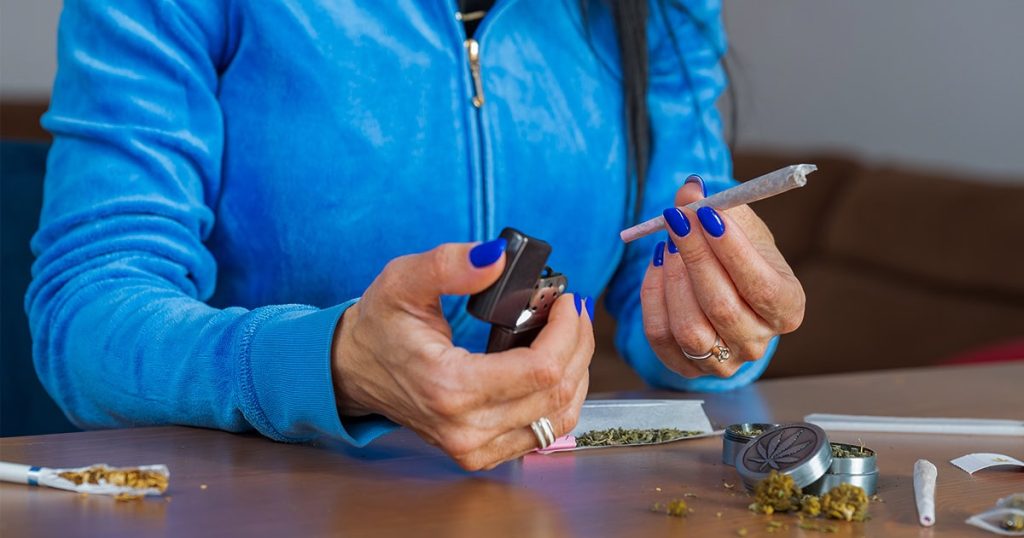
Marijuana is derived from the cannabis plant and belongs to the cannabinoid group. Many people wonder what marijuana actually looks like. Also known as cannabis, it comes from a plant that thrives in warm, tropical climates. The plant has distinctive green leaves with serrated edges, making it easy to recognise. The leaves and flowers of the female plant are most commonly dried and consumed, usually by smoking or brewing them as tea. The plant also produces a resin that is considerably more potent and is known as hashish.
Tetrahydrocannabinol, better known as THC, is the psychoactive compound found in cannabis, commonly referred to as marijuana. THC is the main substance responsible for the addictive effects of marijuana.
When marijuana is smoked, THC enters the bloodstream through the lungs and is then carried to the brain and other organs. Once it reaches the brain, it binds to receptors on nerve cells in areas responsible for concentration, coordination, memory, thinking, pleasure and emotions. This is what produces the “high” associated with marijuana use.
What Are the Signs and Symptoms of Marijuana Use?
Marijuana can cause a wide range of psychological, physical and social consequences, particularly when it is used heavily, frequently and over a prolonged period. Despite its growing prevalence, it is important to emphasise that marijuana, like other psychoactive substances, carries serious risks.
Risk Factors for Developing Addiction
Research shows that a number of factors can influence whether a person develops marijuana addiction. These include genetic predisposition, exposure to stressful or traumatic experiences, peer pressure, an unstable family environment, childhood abuse or neglect, and a social environment that encourages marijuana use.
Psychological and Short-Term Effects
Marijuana use can lead to short-term adverse effects on mental health, emotions and cognitive function. These may include hallucinations, delusions, memory and concentration problems, an altered perception of time and sensory experiences, as well as possible psychosis, panic attacks, anxiety and feelings of tension. Some individuals may experience uncontrollable laughter, while others may develop an unexplained sense of fear.
Some users experience disrupted thought patterns, racing thoughts and speech difficulties, while others may develop feelings of derealisation or depersonalisation. Short-term physical symptoms may include a rapid heartbeat, increased pulse rate, dizziness, nausea, bloodshot eyes, dry mouth and throat, disorientation and slowed reflexes.
Long-Term Effects and Consequences of Addiction
Chronic, long-term marijuana use can lead to changes in the brain structures and mechanisms that regulate stress, motivation and the reward system. These changes can have a serious impact on both mental and physical health. Prolonged use is often associated with impaired abstract thinking, memory problems, depression, anxiety, emotional instability and, in some cases, chronic psychosis, schizophrenia, suicidal thoughts and suicidal behaviour. It may also reduce IQ and the ability to concentrate on work or school-related tasks, while contributing to a loss of motivation and ambition.
Physically, frequent marijuana use is associated with respiratory problems, including chronic cough, pharyngitis, bronchitis, respiratory tract infections and a potentially increased risk of lung cancer. It may also affect the reproductive system, leading to reduced fertility, menstrual irregularities, erectile dysfunction and a decreased libido. Long-term use can also contribute to high blood pressure, dizziness and emotional numbness.
Social Consequences and Impact on Quality of Life
Because marijuana addiction often leads to the neglect of daily responsibilities, social activities and hobbies, people who use the substance regularly may become increasingly distant from friends and family, lose interest in activities they once enjoyed and begin spending time in unhealthy social circles. Reduced performance at work or school, loss of ambition and future plans, and an overall decline in quality of life are common consequences of long-term marijuana use.
Withdrawal Symptoms and Addiction Treatment
Stopping marijuana use often leads to withdrawal symptoms, including irritability, insomnia, anxiety, depression, loss of appetite and intense cravings for the substance. These symptoms can make the recovery process more difficult, which is why professional support is extremely important. Psychotherapy, counselling, support from family and friends, and specialised addiction treatment can all help individuals overcome the problem.
Our professional team is available for consultations about the available treatment programs.
Marijuana Addiction Treatment
Marijuana addiction treatment requires a comprehensive, multidisciplinary approach that combines medical care with psychotherapeutic support. Although many people eventually recognise that cannabis use has negatively affected their lives and decide to stop and seek professional help, the process is not always easy. However, with the right support, recovery is entirely possible, and treatment can be provided at specialised addiction treatment centres.
Primary Treatment Goals
The primary goals of treatment are to address the psychological effects of long-term marijuana use, including paranoia, delusional thoughts, amotivational syndrome, depression, and impaired thinking, memory and attention. Particular emphasis is placed on reducing cravings for marijuana and establishing a new, healthier way of life. This involves changing daily habits, making healthier choices about one’s social circle, avoiding alcohol and other psychoactive substances, exercising regularly, finding employment and maintaining a healthy daily routine.
Stages and Methods of Treatment
Marijuana addiction treatment usually takes place in several interconnected stages, each with a specific goal and a range of methods designed to achieve the best possible results. These stages can be tailored to the individual’s needs, the severity of the addiction, any co-occurring disorders and the person’s social environment. Successful treatment depends on close cooperation between the entire professional team – including physicians, psychologists, psychiatrists, psychotherapists and physiotherapists – as well as the active involvement of the patient, family members and friends.
- Diagnosis and Assessment
During this initial stage, a comprehensive evaluation of the patient’s mental and physical health is carried out. In addition to standard laboratory tests, including complete blood count, blood chemistry, urine tests, hepatitis B and C screening, HIV testing and an ECG, the specialist may recommend further examinations, such as neurological tests or brain imaging, if damage caused by long-term marijuana use is suspected.
A psychological assessment is also conducted using psychodiagnostic tests to determine the severity of the addiction, identify the presence of anxiety, depression or other mental health disorders, and assess the patient’s motivation for treatment. Based on the diagnostic findings, an individualised treatment plan is developed.
- Pharmacotherapy
Although there are no medications specifically approved solely for the treatment of marijuana addiction, pharmacotherapy can help relieve withdrawal symptoms such as insomnia, irritability and anxiety, while also improving the patient’s overall physical and mental well-being. Doctors may prescribe anti-anxiety medication, antidepressants or other medicines that help stabilise mood and restore emotional balance.
The aim of pharmacotherapy is not only to ease acute symptoms, but also to help the patient view their situation more clearly and engage more effectively in psychological treatment.
- Psychotherapy
Psychotherapy lies at the heart of the entire treatment process. A range of approaches – including cognitive behavioural therapy, motivational interviewing, family therapy, group therapy and trauma-focused therapy – may be used to bring about lasting changes in behaviour, attitudes and thought patterns. Psychotherapy helps the patient to:
- Understand the underlying causes of their addiction and the emotional mechanisms that sustain it.
- Learn healthy strategies for coping with stress, boredom, anxiety and other negative emotions instead of turning to marijuana.
- Develop healthy relationships and communication skills, which is particularly important within the family, where support can be crucial for maintaining long-term abstinence.
- Identify and avoid triggers for relapse and develop a plan to prevent future marijuana use.
- Physiotherapy and Complementary Therapies
Physiotherapy, massage, exercise and other complementary techniques are aimed at improving physical fitness, reducing stress and strengthening the body’s natural resilience. These methods can help restore a healthy balance of endorphins, improve circulation and support overall physical well-being, making it easier to achieve psychological stability and reduce the risk of relapse.
- Outpatient Follow-Up and Post-Discharge Support
Our team is available to provide consultations about treatment programs.
Once intensive inpatient treatment has been completed, the patient continues with outpatient follow-up care. Regular monthly appointments may include consultations with a psychiatrist, adjustments to prescribed medication and renewal of blocker therapy. Telephone support from a psychologist is also available if there are changes in the patient’s condition or mood. Ongoing support from family members and close friends further increases the likelihood of long-term abstinence and helps maintain the progress achieved during treatment.
By combining these stages and approaches into a single, personalised treatment plan, specialists help the patient not only stop using marijuana, but also gradually build a healthier and more fulfilling life, develop positive habits, establish stable social relationships and regain control over their mental, physical and emotional well-being.
How Long Does Marijuana Addiction Treatment Take?
The duration of medical treatment for marijuana addiction depends on the patient’s individual needs and overall health. The detoxification and stabilisation process lasts 14 days. During this period, our professional team provides comprehensive support, a personalised approach and all necessary therapeutic interventions to ease withdrawal symptoms as comfortably as possible, gradually restore mental and physical balance, and establish a strong foundation for long-term recovery from addiction.
Marijuana Addiction Treatment Costs
For further information about treatment costs and the available options, please call us or contact us by email. Our team is always available to provide detailed information and answer any questions you may have.
Marijuana Addiction Treatment with MedTiM’s Expertise and Support
Marijuana addiction treatment requires an integrated approach that addresses every aspect of recovery. Our facility provides a comprehensive, multi-layered treatment programme that includes:
- Medical expertise: Experienced psychiatrists and therapists with extensive expertise in addiction treatment provide comprehensive professional care and support.
- A wide range of therapeutic methods: Detoxification, blood ozonation, physiotherapy, lymphatic drainage, massage therapy, hyperbaric oxygen therapy, sauna sessions and supervised exercise programmes are carried out under the guidance of qualified professionals, supporting comprehensive improvements in both physical and mental well-being.
- A comfortable and welcoming environment: Our spacious rooms, designed to resemble luxury apartments, provide a peaceful and supportive setting for recovery and relaxation.
- Support through community and modern programmes: Occupational therapists, innovative approaches, and the development of new skills and healthy habits contribute to long-term success in maintaining abstinence and emotional stability.
This comprehensive approach not only provides professional support and a stable environment, but also encourages patients to make positive lifestyle changes. The combination of holistic therapies, modern treatment methods and a welcoming atmosphere helps patients restore balance and move forward towards a future free from marijuana addiction.
This content has been medically reviewed by the MedTiM clinical team.
View or Download the Brochure
Learn more about the treatment program, process, and key information in our brochure.