
Transcranial Magnetic Stimulation (TMS)
Modern Approach to Treating Addiction, Alcoholism, and Depression
Addiction is a complex chronic condition that requires a structured and comprehensive treatment approach. Although the road to recovery is often long and demanding, modern medicine now offers new options that complement traditional treatment methods. One such innovative method is TMS (transcranial magnetic stimulation), a non-invasive procedure that uses magnetic fields to stimulate specific areas of the brain associated with self-control, impulses, and cravings.
As part of addiction treatment, TMS is used to help reduce cravings for psychoactive substances and stabilize emotional well-being, particularly in patients being treated for opioid, alcohol, or stimulant dependence. Within an integrated therapeutic approach, TMS provides additional support in achieving long-term abstinence and improving quality of life.
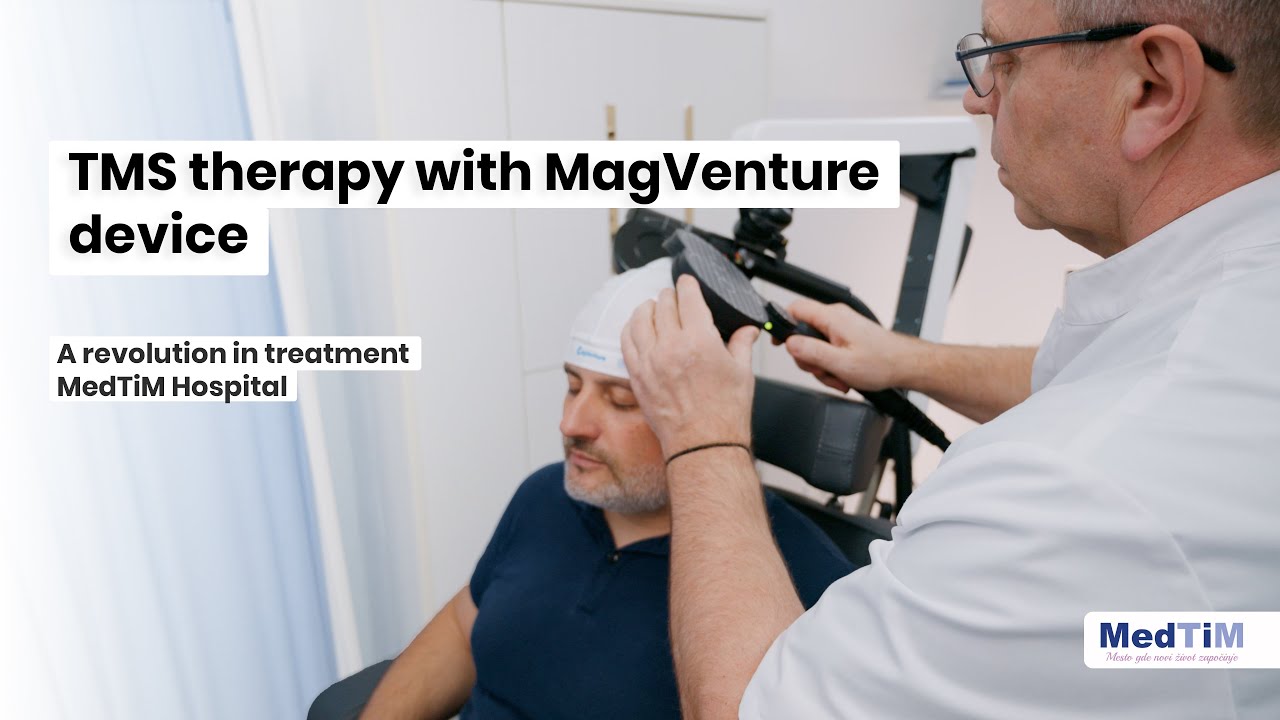
What Is TMS Therapy and How Does It Work?
Transcranial magnetic stimulation (TMS) is a non-invasive neurophysiological procedure used to stimulate specific regions of the brain without medication or surgery. The treatment is performed using a device that generates brief magnetic pulses directed at targeted areas of the cerebral cortex—most commonly the frontal regions responsible for decision-making, impulse control, and emotional regulation.
Magnetic stimulation produces mild electrical changes in brain tissue, influencing neural activity in regions that are often impaired in people with addiction. In this way, TMS helps reduce cravings for psychoactive substances, improves self-control, and contributes to greater emotional stability.
The procedure is painless, and the patient remains awake and fully conscious throughout the treatment. The stimulation is delivered in a series of brief pulses through a coil placed on the surface of the head. The therapy does not require sedation or any recovery time after the session, and patients can return to their daily activities immediately afterward.
Our professional team is available for consultations about the available treatment programs.
The Use of TMS Therapy in Treating Different Types of Addiction
In modern medical practice, TMS (transcranial magnetic stimulation) is increasingly used as part of the treatment of various forms of addiction. The primary goal of this therapy is to modulate brain activity in regions associated with cravings, impulsivity, and the brain’s reward system—key factors in the development and persistence of addictive behavior.
Opioid Addiction
In patients undergoing treatment for opioid addiction—including heroin, morphine, buprenorphine, tramadol, and other opioids—TMS is used as supportive therapy after detoxification or during the stabilization phase. Stimulation of the frontal regions of the brain may help reduce the intensity of cravings and increase resistance to triggers that can lead to relapse. Some patients may also experience improvements in mood and sleep quality, which can further support the recovery process.
Alcohol Addiction
In the treatment of alcohol addiction, TMS is used alongside psychotherapy and medication-based approaches to help reduce the compulsive urge to consume alcohol. Research suggests that regular stimulation may help prolong periods of abstinence and reduce the risk of relapse, particularly in patients who have previously undergone several unsuccessful treatment attempts.
Stimulant Addiction
In the treatment of addiction to substances such as cocaine, amphetamines, methamphetamine, and MDMA (ecstasy), TMS shows potential in reducing impulsive behavior and cravings. These substances increase activity in the brain’s dopamine system, producing an intensified sense of euphoria and reward—and these are precisely the brain regions targeted by TMS. The therapy is used as part of a multidisciplinary treatment program, most commonly alongside psychotherapy and continuous monitoring.
In all of the cases described above, TMS is not used as a standalone treatment but as an adjunctive therapy within an integrated treatment approach. Its use is tailored to each patient according to their clinical condition, type of addiction, and previous course of treatment.
Scientific Basis and Effectiveness of TMS in Addiction Treatment
Transcranial magnetic stimulation (TMS) was developed as a neurophysiological method for studying and modulating brain activity. Over the past two decades, its therapeutic potential has been demonstrated in the treatment of various neuropsychiatric disorders, including depression, obsessive-compulsive disorder, and chronic pain. Building on this experience, TMS is increasingly being researched and used in the treatment of addiction.
The underlying premise is based on the fact that chronic use of psychoactive substances causes structural and functional changes in the brain, particularly in the frontal regions responsible for decision-making, impulse control, and emotional regulation. These changes lead to a loss of self-control and intense cravings, even when the person is fully aware of the consequences of substance use.
TMS enables targeted stimulation of these specific regions—most commonly the dorsolateral prefrontal cortex (DLPFC)—with the aim of normalizing their activity. Studies have shown that regular TMS sessions may reduce the intensity of cravings and improve cognitive functions impaired by addiction.
Preliminary studies and clinical experience indicate that TMS may have positive effects in the treatment of alcohol, cocaine, opioid, and nicotine addiction. TMS appears to be particularly beneficial in helping prolong abstinence, alleviating symptoms of depression that often accompany addiction, and improving patients’ response to psychotherapeutic interventions.
Although this field is still the subject of ongoing research, the results obtained so far indicate that TMS is a safe and well-tolerated method with significant therapeutic potential in addiction treatment, particularly when used as part of a professional, integrated treatment approach.
Benefits and Limitations of TMS Therapy
Advantages of TMS Therapy in Addiction Treatment
- Non-Invasive and Safe
TMS is performed without surgery, medication, or anesthesia. The therapy is provided as part of a structured and supervised treatment program during the patient’s stay at the clinic, under continuous professional supervision. Most patients tolerate the treatment well, and any side effects are usually mild and temporary, most commonly slight discomfort or a short-lived headache after stimulation. - Targeted Effects on Brain Function
Transcranial magnetic stimulation enables direct stimulation of brain regions associated with cravings, impulsivity, and dysfunction in the reward system. This precise neurophysiological approach is particularly valuable for patients who have not achieved a stable therapeutic response with conventional treatment methods. - Integration into a Comprehensive Treatment Plan
During the patient’s stay at the clinic, TMS is used as part of a broader rehabilitation program, in combination with psychotherapy, pharmacological treatment, and social support. In this way, the therapeutic effects of TMS are further enhanced through an interdisciplinary approach. - Improvement in Overall Psychological Functioning
In addition to helping reduce cravings, TMS often contributes to mood stabilization, a reduction in symptoms of depression and anxiety, and a greater capacity to engage in the therapeutic process. This makes it easier for patients to participate actively in other forms of treatment.
Limitations and Factors to Consider
- TMS Is Not a Standalone Treatment
Although it can make a significant contribution to recovery, TMS is not a substitute for other forms of therapy. The best results are achieved when it is used as part of a comprehensive, multidisciplinary treatment program that includes both psychotherapeutic and medical approaches.
- Requires Continuity and a Structured Approach
The effects of TMS are achieved through a series of consecutive treatment sessions delivered according to a clearly defined schedule. TMS is most effective when applied consistently as part of an organized program of therapeutic activities during the patient’s stay at the clinic.
- Variations in Treatment Response
Response to TMS therapy may vary from one patient to another. Some patients experience a significant reduction in cravings and greater stability, while others may have more moderate results. In all cases, progress is carefully monitored, and the treatment is adjusted as needed.
- Certain Medical Conditions Require Caution
TMS is not used in patients with certain neurological conditions, such as epilepsy, or in individuals with metal implants in the head or neck area. Before treatment begins, a detailed medical assessment is carried out to determine whether the patient is a suitable candidate for this method.
Our team is available to provide consultations about treatment programs.
What Does TMS Treatment Look Like in Practice?
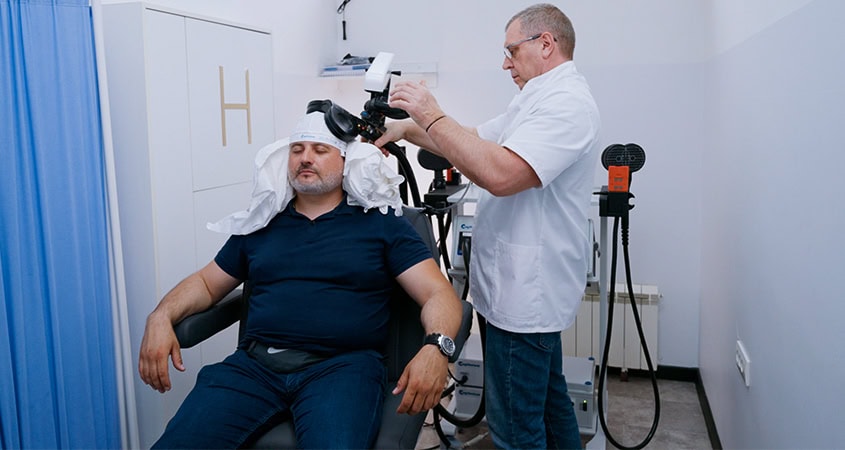
At the clinic, TMS (transcranial magnetic stimulation) is administered as part of a structured treatment program in a specially equipped room and under the continuous supervision of trained medical staff. The therapy is provided daily or according to an individually tailored schedule, in line with the treatment plan developed by the clinical team.
What Happens During a TMS Session
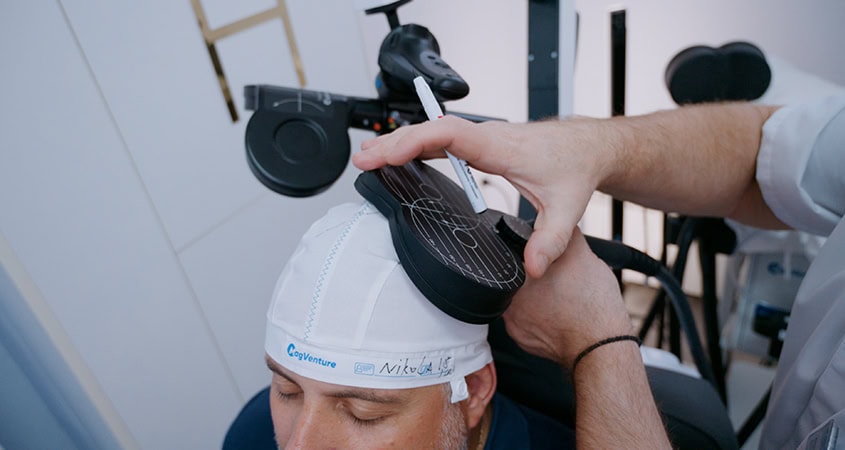
During the treatment, the patient sits or lies in a comfortable position. A specialized coil is placed on the surface of the head, directly above the targeted area of the brain, where it delivers a series of brief magnetic pulses. The treatment is painless, although the patient may feel a mild tapping sensation, pressure, or rhythmic pulsing beneath the coil and hear the characteristic clicking sounds produced by the device.
A TMS session typically lasts between 20 and 30 minutes. After the session, the patient can immediately return to other activities included in the treatment program at the clinic. No recovery period, rest, or special preparation is required.
Treatment Schedule
Treatment is typically administered five times a week over several consecutive weeks. The exact number of sessions and overall treatment duration are determined individually, based on the diagnosis, type of addiction, accompanying symptoms, and response to treatment.
Safety and Monitoring of Treatment Effects
Throughout the course of TMS therapy, the patient remains under continuous professional supervision. All aspects of the patient’s condition are monitored, including the intensity of cravings, emotional responses, and any potential side effects. Based on these observations, the treatment parameters are adjusted as needed to achieve the best possible results while maintaining complete safety.
In practice, TMS is regarded as a clearly structured, technically precise, and well-tolerated therapeutic procedure, which patients often describe as a helpful and stabilizing part of the recovery process.
Who Is TMS Therapy Suitable For?
TMS (transcranial magnetic stimulation) therapy is not suitable for everyone, but in carefully selected patients it can provide valuable support during addiction treatment. The decision to include this therapy is made by the clinical team based on a comprehensive assessment of the patient’s condition, medical history, and previous treatment attempts.
TMS is particularly recommended in the following cases:
- For individuals undergoing treatment for opioid, alcohol, or stimulant addiction who experience intense cravings and face a risk of relapse after detoxification.
- In cases where traditional therapies have not produced the expected results, TMS may be introduced as an additional treatment modality to improve self-control and stabilize the patient’s mental state.
- For patients with accompanying psychological symptoms, such as depression, anxiety, or emotional instability, as TMS may also help alleviate symptoms that often interfere with the rehabilitation process.
- As support during the intensive rehabilitation phase, when the patient is already motivated to change, actively engaged in the treatment process, and staying in a controlled, structured environment, such as a residential treatment facility.
There are also certain medical conditions in which TMS is not recommended, including:
- implanted metal devices in the head or neck area,
- implanted medical devices such as pacemakers or cochlear implants,
- active epilepsy or severe neurological disorders.
For this reason, a detailed medical and neurological evaluation is carried out before TMS therapy begins in order to assess its safety and potential benefits for each individual patient.
TMS Therapy as Part of an Integrated Treatment Program at MedTiM Clinic
Transcranial magnetic stimulation (TMS) is a modern, safe, and effective addition to addiction treatment, particularly during stages when it is important to reduce the intensity of cravings, improve emotional stability, and support the patient in maintaining abstinence.
At MedTiM Clinic, TMS therapy is an integral part of an individually tailored rehabilitation program that combines neurobiological, psychotherapeutic, and pharmacological approaches. The treatment is carried out according to clearly defined protocols, in a controlled clinical environment, and under the continuous supervision of the clinical team.
This content has been reviewed for medical accuracy by the MedTiM clinical team.