
Psychostimulant Addiction Treatment
Psychostimulant addiction is a serious medical and psychological condition that requires a professional, comprehensive, and personalized approach to treatment. Psychostimulants such as amphetamines, methamphetamines, cocaine, and ecstasy affect the central nervous system by artificially increasing alertness, energy, and feelings of euphoria. Because of their powerful effects and short-lived “positive” impact, they can lead to addiction very quickly.
At our specialized MedTiM clinic, we provide comprehensive treatment for psychostimulant addiction, including medical detoxification, psychotherapy, post-discharge support, and ongoing patient monitoring. Our goal is not only to help patients stop using these substances, but also to overcome addictive patterns for good and build a stable, functional, and fulfilling life.
Whether the addiction involves amphetamines, ecstasy, cocaine, or synthetic stimulants, every patient at MedTiM Clinic receives an individualized treatment plan tailored to their physical and psychological condition.
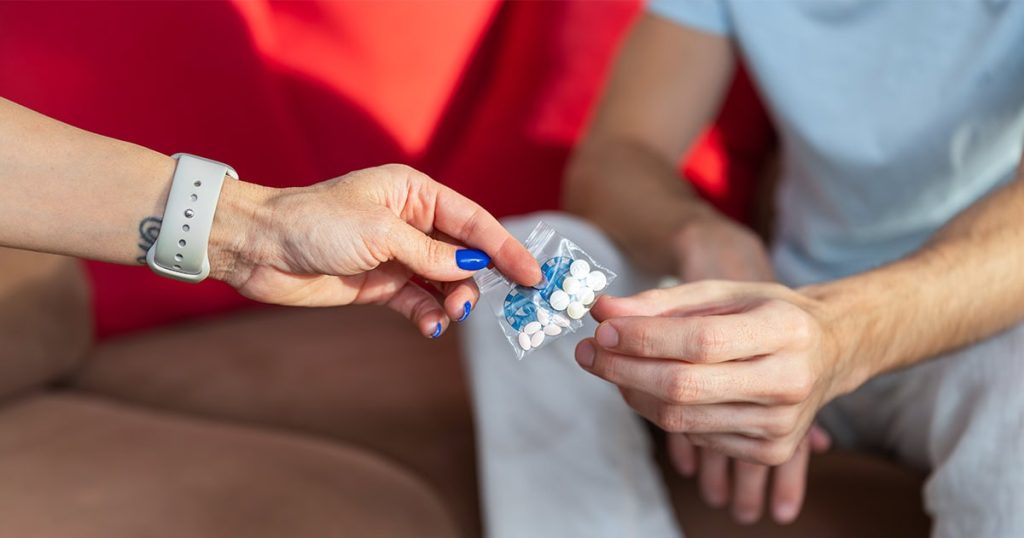
What Are Psychostimulants?
Psychostimulants are psychoactive substances that directly affect the central nervous system, speeding up brain activity and creating a heightened sense of energy, alertness, and motivation. Their primary effect is to stimulate psychomotor functions, giving users a subjective sense of increased strength, endurance, and mental clarity.
The most common drugs in this category include:
- Amphetamines and methamphetamines
- Ecstasy (MDMA)
- Cocaine
- Methylphenidate (also known as Ritalin)
- Caffeine and nicotine
Because of their ability to temporarily improve concentration and reduce feelings of fatigue, psychostimulants are often misused in academic and professional settings, as well as for recreational purposes – most commonly during nights out or periods of intense mental activity.
Although some psychostimulants are used for medical purposes, such as treating attention deficit hyperactivity disorder (ADHD), uncontrolled use can quickly lead to addiction. Over time, the body develops tolerance, meaning that increasingly larger doses are needed to achieve the same effect, while serious mental and physical health consequences begin to emerge.
For this reason, psychostimulant addiction treatment must follow a structured approach that includes medical detoxification, psychological support, and professional supervision in a specialized treatment facility.
Effects and Consequences of Psychostimulant Use
In the early stages, psychostimulant use is often associated with subjectively pleasurable effects, such as increased energy, an improved mood, and a greater sense of control. However, these effects are short-lived, while the consequences of long-term psychostimulant use can be serious and harmful to both physical and mental health.
Short-Term Psychological Effects:
- Euphoria and a sense of mental clarity
- Increased alertness and a reduced need for sleep
- Increased confidence and talkativeness
- Impulsivity and heightened motivation
- Aggression and irritability
Short-Term Physical Effects:
- Increased heart rate and blood pressure
- Dilated pupils
- Dry mouth and excessive sweating
- Reduced appetite
- Elevated body temperature
Although these effects may seem beneficial in certain situations, over time they take a heavy toll on both the body and the mind.
Long-Term Consequences of Psychostimulant Use:
Psychological Consequences:
- Chronic anxiety
- Paranoia and psychotic episodes, such as amphetamine-induced psychosis
- Depressive episodes after the effects wear off
- Loss of interest in relationships with others
- Suicidal thoughts and behavior
Physical Consequences:
- Cardiac arrhythmias and persistent high blood pressure
- Liver and kidney damage
- Rapid weight loss
- Sleep disturbances, including insomnia and nightmares
- Weakened immune system
Prolonged and uncontrolled use of these substances exhausts the body, disrupts the brain’s biochemical balance, and leads to severe physical and psychological dependence on psychostimulants.
In some cases, this can lead to a condition known as “brain burnout,” in which the nervous system can no longer function normally without stimulants.
That is why seeking treatment as early as possible is crucial.
Our professional team is available for consultations about the available treatment programs.
How Does Psychostimulant Addiction Develop?
Psychostimulant addiction develops gradually, but far more rapidly than addiction to many other psychoactive substances. What makes this type of addiction particularly dangerous is that many users do not recognize the problem at first, because increased productivity, energy, and alertness are perceived as “positive effects” rather than as a dangerous disruption of the brain’s chemical balance.
Stages of Addiction Development:
- Experimental use – The person uses a psychostimulant for the first time, often out of curiosity, a desire to improve performance, or under social pressure.
- Occasional use – The substance is used in specific situations, such as during exams, nights out, or work, while the user believes they remain in control.
- Regular use – The need for the psychostimulant becomes increasingly frequent, and the body begins to develop tolerance.
- Addiction – The person loses control over their use, experiences withdrawal symptoms, and feels unable to function without the substance.
Biological Mechanism of Addiction:
Psychostimulants increase the release of dopamine, a neurotransmitter responsible for feelings of pleasure and reward. Over time, the brain becomes unable to produce normal levels of dopamine without the stimulant, leading to addictive behavior. When the substance is not used, the person feels “empty,” exhausted, and depressed.
Psychological Factors:
- Seeking quick relief from stress, anxiety, or insecurity
- The need for better concentration or improved performance
- Social or workplace pressure
- Emotional instability or past trauma
Addiction is not a lack of willpower – it is a complex disorder that requires both medical and psychological treatment. Timely diagnosis and professional support are key factors in achieving a successful recovery.
Symptoms of Psychostimulant Addiction
Recognizing the symptoms of psychostimulant addiction at an early stage is essential for timely intervention and the prevention of serious consequences for a person’s health and daily functioning. Symptoms can be psychological, physical, or behavioral, and in most cases, a combination of all three is present.
Psychological Symptoms:
- Severe irritability and frequent mood swings
- Increased anxiety and panic attacks
- Obsessive thoughts about the substance
- Paranoia, suspiciousness, and a sense of being threatened
- Depressive episodes after the effects of the substance wear off
- Hallucinations and delusions in long-term users
Physical Symptoms:
- Rapid heartbeat and high blood pressure
- Dilated pupils, excessive sweating, and dry mouth
- Headaches, insomnia, and chronic fatigue
- Sudden weight loss and reduced appetite
- Tremors, particularly in the hands, and muscle cramps
- Weakened immune system, frequent infections, and physical exhaustion
Behavioral Symptoms:
- A compulsive urge to use the substance
- Loss of interest in work, school, and family
- Secrecy, social isolation, and conflict in relationships
- Financial difficulties and reckless spending
- Changes in sleep patterns, often staying awake for days at a time
- Lying and manipulating others in order to obtain drugs
If you recognize several of these symptoms in yourself or someone close to you, there is a strong possibility that psychostimulant addiction is present. This condition cannot be overcome through willpower alone – professional help in a specialized treatment facility is essential.

Stages of Psychostimulant Addiction Treatment at MedTiM Clinic
Psychostimulant addiction treatment at MedTiM Clinic is carried out through clearly defined, medically established stages designed not only to help patients overcome physical dependence, but also to achieve psychological stability and successfully reintegrate into everyday life.
1. Diagnosis and Assessment
The treatment process begins with a comprehensive diagnostic assessment. Based on laboratory test results, psychiatric and psychological evaluations, and an in-depth consultation with the patient, the medical team determines:
- The stage of addiction
- The type of psychostimulant used and the duration of use
- The presence of co-occurring mental health conditions, such as depression, anxiety, or psychosis
- The patient’s overall physical health
Based on these findings, an individualized treatment plan is developed.
2. Medical Detoxification
Medical detoxification is the crucial first stage in clearing toxins and substances from the body. During this phase:
- Medication is administered to alleviate withdrawal symptoms
- 24-hour medical supervision is provided
- Symptoms such as insomnia, irritability, hallucinations, physical pain, and anxiety are carefully managed
Detoxification typically lasts between 14 and 21 days, depending on the severity of the addiction and the patient’s overall health.
3. Psychotherapy and Emotional Stabilization
After detoxification, the psychotherapy phase begins, during which the patient works with a therapist to:
- Identify triggers for addictive behavior
- Develop strategies for coping with stress and temptation
- Strengthen personal coping resources, self-confidence, and impulse control
Modern therapeutic methods are used, including:
- Cognitive behavioral therapy (CBT)
- Motivational interviewing
- A psychodynamic approach, when appropriate
4. Family Therapy and Psychoeducation
Addiction is not an isolated problem – it affects the entire family. That is why, at MedTiM Clinic, we provide:
- Education for family members about the nature of addiction
- Support for the family so they can play an active role in the recovery process
5. Rehabilitation and Relapse Prevention
The final stage of treatment at MedTiM Clinic focuses on maintaining long-term recovery and preventing relapse – a return to previous addictive patterns. This phase begins after detoxification and psychotherapy have been completed, once the patient is stable and ready to resume life outside the clinic.
During this phase, the patient:
- Takes part in final evaluations and works with the therapist to develop a strategy for maintaining abstinence
- Receives psychological support for coping with stress, challenges, and triggers in everyday life
- Remains in contact with the clinical team through regular follow-up appointments, which help monitor progress and provide additional motivation
Our goal is not only to help patients stop using substances, but also to adopt a stable, healthy, addiction-free lifestyle, with a clear understanding of themselves, their personal boundaries, and the support systems available to them.
Our team is available to provide consultations about treatment programs.
Types of Therapy Used in Psychostimulant Addiction Treatment
Effective treatment for psychostimulant addiction requires a combination of complementary therapeutic methods tailored to each patient’s individual needs. At MedTiM Clinic, we use an integrative approach designed to address physical dependence, psychological patterns, and social functioning at the same time.
1. Pharmacological Therapy (Medication-Based Treatment)
Pharmacological therapy is essential for stabilizing the body during withdrawal and detoxification. Its goals are to:
- Alleviate withdrawal symptoms, such as anxiety, insomnia, and irritability
- Prevent psychotic episodes and depressive states
- Regulate sleep, blood pressure, and nervous system function
Treatment is prescribed exclusively by a medical specialist and administered under continuous supervision in a controlled clinical setting.
2. Psychotherapy
Psychotherapy plays a key role in understanding the deeper psychological mechanisms that contribute to the development of addiction, as well as in building healthy behavioral patterns that support long-term abstinence. At MedTiM Clinic, we use modern therapeutic methods that have proven highly effective in treating psychostimulant addiction.
Cognitive Behavioral Therapy (CBT)
CBT is one of the most widely used and effective forms of psychotherapy in addiction treatment. During therapy, the patient:
- Learns to recognize negative thoughts, internal conflicts, and dysfunctional beliefs that trigger substance use.
- Works on changing behavioral patterns that lead to renewed drug use, such as avoiding problems, acting impulsively, or engaging in excessive self-criticism.
- Develops practical skills for coping with stress, emotions, and everyday challenges without using psychostimulants.
Motivational Interviewing
This approach focuses on strengthening the patient’s inner motivation for change and is particularly helpful for those who are unsure whether they want treatment or are afraid of life without the substance. During the process:
- The therapist helps the patient explore and resolve conflicting feelings about addiction and treatment.
- Through guided conversation and structured techniques, the patient develops a clear vision of personal goals and draws on their own values as a foundation for change.
- The result is greater self-confidence, a stronger sense of control, and increased determination to stay on the path to recovery.
Individual Psychotherapy
One-on-one work with a psychotherapist allows for intensive and confidential exploration of personal issues, trauma, and emotional conflicts that may have contributed to the development of addiction. In a safe and supportive environment, the patient:
- Develops a deeper understanding of their emotions and behavior
- Learns how to build healthier relationships and communicate more effectively
- Receives personalized support throughout every stage of treatment
3. Psychoeducation
Through educational workshops and therapy sessions, patients learn:
- How the mechanisms of addiction work
- What triggers are and how to recognize them
- How to manage stress and prevent relapse
Psychoeducation is often extended to family members, who are included in the support program.
4. Psychosocial Support and Reintegration
Returning to everyday life can be challenging. That is why MedTiM provides:
- Guidance on employment, education, and family relationships
- Mentoring and ongoing support during the early stages of recovery
- The option to participate in post-treatment support programs
Inpatient Treatment for Psychostimulant Addiction
At MedTiM Clinic, psychostimulant addiction is treated exclusively through an inpatient program, as this is the safest and most effective way to help patients fully overcome addiction and achieve stable, long-term abstinence.
During inpatient treatment, the patient stays at the clinic and takes part in a structured therapeutic program that includes medical detoxification, psychotherapy, psychoeducation, daily activities, and continuous support from the clinical team.
Inpatient treatment is recommended in the following cases:
- Severe physical and/or psychological dependence
- The presence of psychotic episodes, anxiety disorders, or depression
- Long-term psychostimulant abuse
- The need for 24-hour medical supervision and a safe, controlled environment
- A high risk of relapse and an inability to maintain abstinence without professional support
Benefits of Inpatient Treatment at MedTiM Clinic:
- Continuous access to the medical team
- A safe and controlled environment with no access to psychoactive substances
- Intensive and consistent therapeutic support
- Full commitment to treatment, free from external distractions and stress
- A structured daily routine, healthy lifestyle habits, and organized activities
Inpatient treatment provides a stable foundation for full recovery and the development of new, healthy habits that enable patients to return to everyday life – free from addiction and without relying on stimulants.
Cost of Psychostimulant Addiction Treatment
The cost of psychostimulant addiction treatment at MedTiM Clinic depends on several factors, as each treatment plan is tailored individually based on:
- The severity of the addiction and duration of substance use
- The need for extended detoxification and pharmacological treatment
- The number and type of psychotherapy sessions
- Additional services, such as family therapy, post-treatment support, and accommodation
Our goal is not to offer one-size-fits-all treatment packages, but to ensure that every patient receives the highest level of medical and psychological support, with realistic costs clearly and transparently defined in advance.
The cost of treatment includes:
- Medical detoxification under continuous medical supervision
- Pharmacological treatment and laboratory diagnostics
- Individual psychotherapy sessions
- Care provided by an experienced multidisciplinary team
- Accommodation in a modern, well-equipped, and secure treatment facility
Please note: Every patient is offered a free initial consultation, during which our team develops a personalized treatment plan and provides detailed information about how the treatment is organized and the total cost, with no hidden fees or obligations.
Call us or complete the contact form to schedule your appointment and receive answers to any questions you may have about treatment and costs.
Why Choose MedTiM for Psychostimulant Addiction Treatment?
When it comes to psychostimulant addiction treatment, choosing the right clinic can make a significant difference. MedTiM Clinic offers more than medical care alone – we provide support, understanding, and a comprehensive approach designed to promote lasting recovery.
1. An Experienced Team of Specialists
Our multidisciplinary team includes:
- Specialists in psychiatry and psychotherapy
- Emergency medicine physicians and internal medicine specialists
- Clinical psychologists and addiction therapists
- Nurses and support staff
All members of our clinical team have experience treating severe forms of addiction, including polysubstance dependence accompanied by co-occurring mental health conditions.
2. Individualized Treatment Plan for Every Patient
Every patient is different, which is why we take a personalized approach:
- Treatment is developed based on a thorough diagnostic assessment
- It is adapted to the pace of recovery and the specific needs of each case
- We monitor progress throughout every stage, from admission to reintegration
3. Privacy, Safety, and Modern Facilities
Treatment takes place in modern, secure, and comfortable facilities. We guarantee:
- Complete privacy and confidentiality at every stage of the process
- 24-hour supervision and staff availability
- A comfortable and supportive environment for recovery
4. High Treatment Success Rate
Thanks to our structured approach and dedication to each patient, MedTiM has achieved:
- A treatment completion rate of over 90%
- A high number of patients who remain abstinent after one year
- Positive feedback from patients’ families and loved ones
5. Ongoing Support After Leaving the Clinic
Treatment does not end when the patient leaves the clinic. We provide:
- Outpatient follow-up appointments and counseling
- Psychoeducational workshops
- Access to support groups and mentoring programs
MedTiM does more than treat addiction – we help people regain control of their lives.
Medically reviewed by the MedTiM clinical team.
View or Download the Brochure
Learn more about the treatment program, process, and key information in our brochure.