
Addiction Treatment Diagnostics
At MedTiM Clinic, we believe that every successful treatment programme begins with a thorough and accurate diagnostic assessment. For this reason, diagnostic evaluation is the first and most important step in the recovery process from addiction.
The aim of this stage is to gain the most comprehensive possible understanding of the patient’s current physical and psychological condition, allowing the treatment plan to be tailored to their individual needs.
Diagnostic assessment not only helps determine the presence of addiction and its consequences, but also identifies any co-occurring mental or physical health conditions that may affect the course of treatment.
What Does a Comprehensive Diagnostic Assessment Include?
The diagnostic procedure at MedTiM Clinic forms the foundation of every successful treatment process. It includes a detailed evaluation of the patient’s physical and psychological health, carried out by our multidisciplinary team of physicians, psychiatrists, psychologists, special education professionals, internal medicine specialists, and medical technicians.
Immediately upon admission, our specialists begin a standardised diagnostic protocol that is carefully tailored to the needs of each individual patient. This protocol includes:
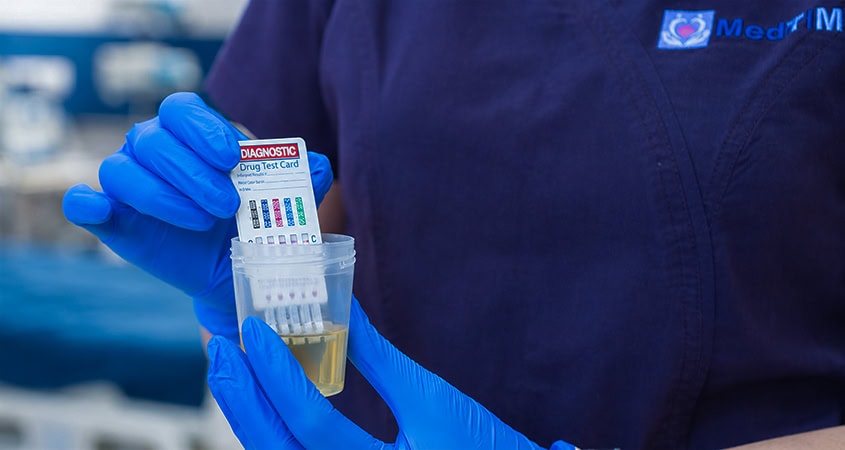
- Blood and urine laboratory tests, used to assess the patient’s general health, detect infections, evaluate biochemical parameters, and identify the possible presence of psychoactive substances.
- Internal medicine examinations, including an echocardiogram, an electrocardiogram (ECG), and an abdominal ultrasound. These examinations are essential for assessing overall physical functioning and ensuring that therapeutic procedures can be carried out safely.
- Psychiatric evaluation, during which the psychiatrist reviews the patient’s medical history, emotional state, and the possible presence of psychiatric disorders through an interview and the collection of relevant information from both the patient and their family.
- Psychological testing, including standardised personality tests, cognitive assessments used to evaluate cognitive functioning, and projective tests.
- Specialist examinations, such as consultations with a neurologist, cardiologist, infectious disease specialist, or endocrinologist, which are conducted when there are indications that a more detailed assessment of specific health concerns is required.
Based on the findings and observations gathered during the assessment, the MedTiM Clinic team establishes an accurate diagnosis and develops an individualised treatment plan. This plan takes all relevant physical, psychological, and social factors into account, ensuring that each patient receives the safest and most effective path towards recovery.
Clinical and Laboratory Diagnostics
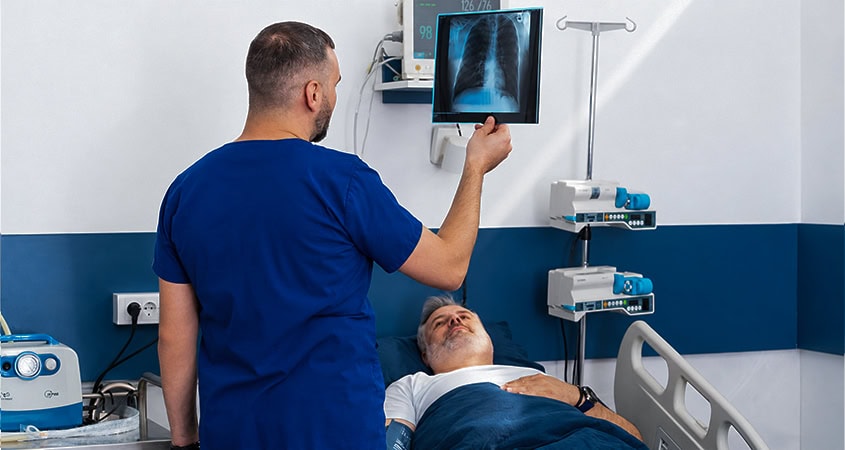
At MedTiM Clinic, clinical and laboratory diagnostics provide the basis for making informed and safe decisions regarding further treatment. Their primary purpose is to provide a reliable overview of the patient’s physical health and to identify, at an early stage, any potential risks or contraindications that may influence the choice of therapeutic methods.
Immediately upon admission, the patient undergoes the following diagnostic procedures, which form a standard part of the initial medical assessment:
- Complete blood count (CBC) – detects potential infections, inflammatory processes, and haematological disorders.
- Blood biochemistry tests – assess liver and kidney function, blood glucose levels, electrolytes, and other vital parameters.
- HIV and hepatitis B and C testing – helps identify viral infections that may affect the choice of treatment.
- Urinalysis – used to detect traces of psychoactive substances and assess kidney function.
- Electrocardiogram (ECG) – provides insight into the condition and function of the heart and helps detect possible cardiac abnormalities.
- Abdominal and/or cardiac ultrasound examinations – performed when necessary to provide a more detailed assessment of the internal organs and identify possible chronic changes.
- Internal medicine examination – an internal medicine specialist evaluates the patient’s overall physical condition and makes key decisions regarding further diagnostic procedures and treatment.
If these results indicate specific abnormalities, the patient is referred for additional diagnostic procedures, which may include:
- Magnetic resonance imaging (MRI)
- Computed tomography (CT)
- X-ray imaging
- Gastroscopy and other endoscopic examinations
- Consultations with medical specialists, such as a cardiologist, neurologist, endocrinologist, or infectious disease specialist.
These additional procedures are carried out in cooperation with trusted partner healthcare institutions and are not included in the standard treatment package. However, their purpose is extremely important: to ensure the highest possible level of safety and to tailor the treatment process to the patient’s actual physical capabilities and limitations.
Our professional team is available for consultations about the available treatment programs.
Psychiatric Examination and Evaluation
Psychiatric assessment plays a central role in the diagnostic process at MedTiM Clinic, as it enables an in-depth understanding of the patient’s mental health and helps identify the psychological factors that may have contributed to the development of addiction. This assessment is essential for establishing an accurate diagnosis and determining the most appropriate psychotherapeutic and pharmacological approach.
Initial Consultation with a Psychiatrist
Immediately upon admission to the clinic, the patient undergoes a detailed interview with a specialist psychiatrist, which includes:
- Personal and family medical history – information is collected about previous mental and physical health conditions, genetic predispositions, family behavioural patterns, and interpersonal relationships.
- Analysis of the underlying causes of addictive behaviour – an open and professional discussion is used to identify life circumstances, trauma, stressful events, and emotional factors that may have contributed to the development of addiction.
- Assessment of psychological stability – the psychiatrist evaluates the patient’s current emotional state and the possible presence of depression, anxiety, paranoia, or other psychiatric symptoms.
- Identification of the type and quantity of substances used – patterns of psychoactive substance use, the duration of the addiction, and its effects on the patient’s mental and physical health are documented.
Based on all the information collected, the psychiatrist establishes a preliminary diagnosis and, where necessary, prescribes pharmacotherapy (mood stabilisers, anxiolytics, antidepressants, and similar medications), always under strict medical supervision.
Continuous Monitoring
Psychiatric evaluation is not a one-time procedure. Throughout the patient’s stay at the clinic, the psychiatrist conducts daily consultations and monitors:
- Changes in the patient’s mental state
- Responses to treatment
- The presence of withdrawal symptoms or cravings
- The patient’s engagement in the psychotherapeutic process
The aim of this intensive monitoring is to ensure that the treatment is adjusted promptly, that the patient feels understood and supported, and that a stable emotional foundation is created for further progress and recovery.
Psychodiagnostic Assessment – Evaluation of Psychological Functioning
Psychodiagnostic assessment is an integral part of the diagnostic process at MedTiM Clinic and is used to conduct an in-depth evaluation of the patient’s psychological profile. This assessment helps identify the internal psychological mechanisms underlying addictive behaviour, as well as any potential mental health disorders that may require additional attention and a specialised therapeutic approach.
Psychodiagnostic assessment is used not only to establish an accurate diagnosis, but also to develop an individualised psychotherapy plan and monitor the patient’s progress throughout the entire treatment process.
What Does a Psychodiagnostic Assessment Include?
At MedTiM Clinic, psychodiagnostic assessment is carried out by an experienced team of psychologists and special education professionals, using standardised tests and interviews that cover the following areas:
- Personality tests – identify emotional patterns, ways of thinking, interpersonal styles, and the patient’s level of psychological stability.
- Cognitive ability tests – assess attention, memory, orientation, problem-solving skills, and logical reasoning.
- Scales and questionnaires for depression, anxiety, and other disorders – used to identify symptoms that often accompany or reinforce addictive behaviour.
- Assessment of motivation for treatment, self-awareness, and volitional capacity – essential for understanding the patient’s readiness to change and their potential for recovery.
Our team is available to provide consultations about treatment programs.
What Do We Gain from a Psychodiagnostic Assessment?
The results of the psychodiagnostic assessment provide:
- A comprehensive overview of the patient’s psychological functioning
- Clear guidelines for selecting the most appropriate psychotherapeutic approach, such as cognitive behavioural therapy, motivational interviewing, trauma-focused therapy, and other methods
- A basis for evaluating treatment effectiveness through repeated testing during and after treatment
Psychodiagnostic assessment also provides valuable support to the psychiatrist, particularly when selecting pharmacotherapy, as it allows for a more accurate evaluation of the patient’s tolerance, emotional reactivity, and the potential interaction between psychological characteristics and medication.
In this way, psychodiagnostic assessment not only identifies the patient’s current condition but also creates a foundation for more effective, targeted, and sustainable treatment.
Additional Diagnostic Procedures (When Required)
In certain cases, the initial diagnostic assessment may indicate the presence of more complex health conditions, risk factors, or chronic illnesses that require further investigation to ensure the safest and most effective treatment approach.
For this reason, MedTiM Clinic, in cooperation with trusted and accredited diagnostic centres, can arrange a wide range of additional procedures that provide a more detailed insight into the patient’s overall health.
Additional diagnostic procedures may include:
- Magnetic resonance imaging (MRI) – provides detailed images of soft tissues, the brain, and internal organs, and is particularly useful when neurological abnormalities are suspected.
- Computed tomography (CT) – provides detailed images of internal body structures, particularly when there is concern about damage caused by substance misuse.
- Electroencephalography (EEG) – analyses the brain’s electrical activity and is especially useful for patients who have experienced seizures, psychotic episodes, or loss of consciousness.
- X-ray imaging – used to assess the lungs, bones, and internal organs, particularly in patients with a history of intravenous substance use.
- Endoscopic examinations, such as gastroscopy – used to assess the condition of the stomach and digestive tract in patients with a history of prolonged use of medication, alcohol, or other substances.
- Specialist consultations – with a neurologist, cardiologist, endocrinologist, infectious disease specialist, or other relevant medical specialists, depending on the patient’s individual needs.
- Measurement of psychoactive substance and medication levels in the body – used to monitor acute or chronic intoxication, as well as the progress of detoxification and the effectiveness of treatment.
Important Information
The procedures listed above are not included in the standard treatment package and are charged according to the current price lists of our partner healthcare institutions. They are carried out only when medically indicated, with the aim of determining the most appropriate treatment more precisely, monitoring the course of the condition, or confirming additional diagnoses.
Additional diagnostic procedures contribute significantly to patient safety by ensuring that treatment is based on comprehensive medical information and by reducing the risk of adverse reactions or complications.
How Long Does the Diagnostic Phase Last, and What Happens Afterwards?
The diagnostic phase at MedTiM Clinic begins immediately upon the patient’s admission and represents the first step in the overall treatment process. On average, this phase lasts one to two days. Its duration depends on the patient’s general health, the presence of co-occurring conditions, and the complexity of the required examinations.
During this period, the patient undergoes a comprehensive clinical, psychiatric, and psychological assessment, together with all medically indicated laboratory and instrumental tests.
What Happens After the Diagnostic Phase?
Once all examinations and tests have been completed, the clinic’s multidisciplinary team – including medical specialists, psychiatrists, psychologists, and therapists – conducts an internal case review to determine the most appropriate therapeutic approach.
Based on the findings and a comprehensive assessment of the patient’s physical and psychological condition, an individualised treatment plan is developed. This plan most commonly includes:
- Medical interventions – such as pharmacological stabilisation, medically supervised detoxification, supportive therapy, or treatment of co-occurring physical health conditions.
- Psychiatric and psychological support – including daily consultations with a psychiatrist, as well as individual and group psychotherapy.
- Selection of specific therapeutic procedures – tailored to the patient’s mental and physical capacities, such as biological therapies, relaxation techniques, transcranial magnetic stimulation (TMS), and other appropriate methods.
- Definition of treatment goals and evaluation of expected outcomes – clear short-term and long-term treatment goals are established to ensure that the process remains measurable, focused, and motivating.
Why Is This Phase Essential?
Thanks to a comprehensive diagnostic assessment, each patient receives a personalised treatment plan in which no important aspect of their health is overlooked. This approach significantly increases the likelihood of successful recovery, reduces the risk of relapse, and supports a gradual return to everyday life with stronger coping mechanisms and greater control over one’s behaviour.
Transparency and Additional Services
At MedTiM Clinic, we place particular emphasis on transparent communication with patients and their families. We believe that everyone has the right to receive clear and accurate information about every aspect of the diagnostic and therapeutic process, including the structure of treatment costs.
From the moment of admission, our team explains which procedures are included in the standard diagnostic package and which services, when medically indicated, are charged separately.
Included in the Standard Diagnostic Assessment Fee:
- Internal medicine examination – a comprehensive assessment of the patient’s physical health, with particular attention to the function of vital organs.
- Blood and urine laboratory tests – including a complete blood count, blood biochemistry, and toxicology screening.
- Electrocardiogram (ECG) – used to assess heart rhythm and cardiac function.
- Psychiatric interview – a detailed consultation with a psychiatrist to assess the patient’s mental state, review their medical history, and determine whether pharmacotherapy is required.
- Psychodiagnostic testing – the use of standardised tests to assess personality, cognitive functioning, motivation, and emotional stability.
Additional Services (When Medically Indicated):
- Imaging and instrumental diagnostic procedures – magnetic resonance imaging (MRI), computed tomography (CT), electroencephalography (EEG), and X-ray imaging.
- Specialist consultations – examinations by a neurologist, endocrinologist, infectious disease specialist, cardiologist, or other relevant specialists.
- Advanced laboratory and toxicology tests – additional investigations carried out in accordance with the findings of the initial diagnostic assessment.
- Endoscopic examinations – such as gastroscopy, when damage to the digestive system is suspected as a result of prolonged substance use.
Informed Consent
All additional procedures are carried out only when medically indicated and after prior consultation with and consent from the patient. In this way, we ensure not only a high standard of medical care, but also complete transparency, trust, and a sense of security for both patients and their families.
Schedule a Consultation with Our Team
If you or someone close to you is facing the challenges of addiction, the first step towards recovery begins here – with a thorough and professional diagnostic assessment at MedTiM Clinic.
Our team of physicians, psychiatrists, and psychologists is available to provide support, answer your questions, and begin a treatment process tailored to your individual needs.
Schedule an Appointment Today
Call us or contact us through the form on our website to arrange an initial consultation and diagnostic assessment.
Reviewed for medical accuracy by the MedTiM clinical team.