
Addiction Treatments
Professional addiction treatment programs with an individualized approach and support throughout the recovery process.
What the Treatment Process Looks Like
Every patient undergoes a diagnostic process that includes medical examinations and psychological testing, psychotherapy, pharmacotherapy, regenerative procedures, occupational therapy, and post-hospital treatment, which represents the rehabilitation phase of care. The treatment concept is based on an individualized approach.
Psychiatric Examination
A detailed consultation with a psychiatrist, including personal and family medical history, diagnosis, and the use of appropriate pharmacotherapy.
Laboratory Tests
Laboratory testing includes blood tests (complete blood count, biochemistry, and serology) and urine analysis.
Diagnostic Procedures
Internal medicine examinations, including abdominal and heart ultrasound. MRI, CT, X-ray, and other diagnostic procedures are performed when medically indicated.
Psychotherapy
CBT (cognitive behavioral techniques) and systemic family therapy, education about addiction disorders and psychiatric conditions, and self-help techniques.
Family Education
Educational work with the family, with a focus on the role of family members and support persons during the rehabilitation phase of treatment.
Blocker Therapy
During the rehabilitation phase of treatment, the patient continues therapy with blockers.
Addiction Disorders: A Professional Approach to Recovery
Addiction disorders are serious conditions that affect physical health, mental stability, behavior, and relationships with family and the surrounding environment. Addiction does not develop overnight and, in most cases, cannot be overcome through willpower alone. Over time, a person loses control over substance use or repeated behaviors, even when they are aware of the consequences this has on their health, work, family, and everyday life.
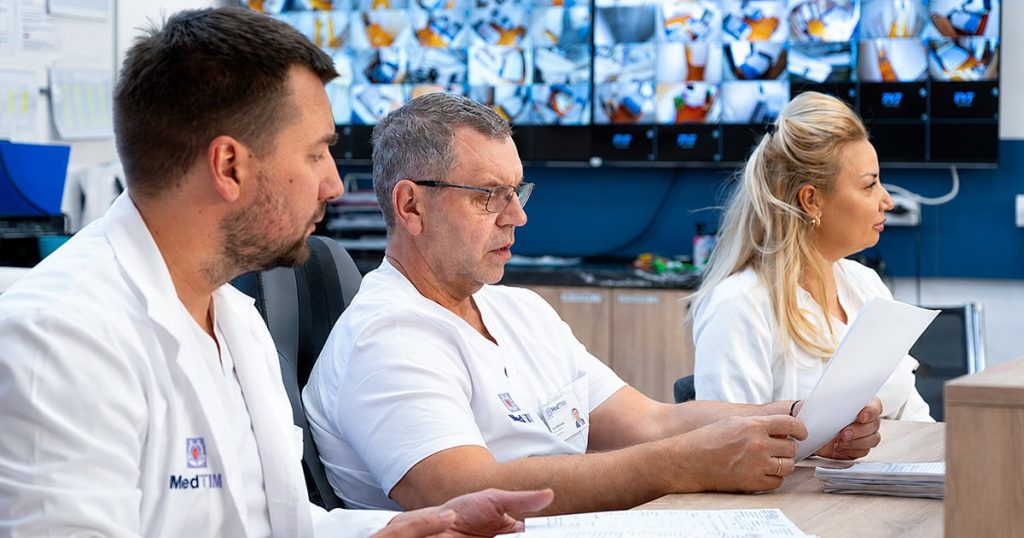
Addiction treatment requires a professional, medically supervised, and individually tailored approach. The goal of treatment is not only to stop the use of alcohol, drugs, or medication, or to interrupt addictive behavior, but also to stabilize the patient’s mental health, restore impaired physical health, strengthen motivation, and prevent a return to old patterns. That is why it is important to view the patient not only through the lens of addiction, but as a whole person, taking into account their overall health, life circumstances, family support, and risk of relapse.
At the MedTiM clinic, the recovery process begins with a detailed assessment and consultation with a professional medical team. Based on the diagnostic evaluation, a treatment plan is created, which may include a psychiatric examination, laboratory tests, psychotherapy, pharmacotherapy, detoxification, occupational therapy, and post-hospital support. This approach allows the treatment to be tailored to the patient’s specific needs while providing continuous support focused on long-term recovery.
What Are Addiction Disorders?
Addiction disorders are serious conditions that affect physical health, mental stability, behavior, and relationships with family and the surrounding environment. Addiction does not develop simply because of a lack of willpower, but through complex changes in the body, habits, and patterns of thinking. That is why successful recovery requires professional, medically supervised, and individually tailored treatment.
When Is It Necessary to Seek Professional Help?
It is important to seek help when a person begins to lose control over the use of alcohol, medication, drugs, or repeated behaviors such as gambling. Warning signs may include a constant need for a substance or activity, nervousness, insomnia, mood changes, lying, financial problems, neglecting responsibilities, and distancing from family. The earlier the response, the greater the chances of a more stable recovery process.
What Does Addiction Treatment at the MedTiM Clinic Look Like?
Treatment begins with a detailed assessment of the patient’s condition, a consultation with a psychiatrist, personal and family medical history, laboratory tests, and psychological testing. Based on the results, an individual treatment plan is created, which may include pharmacotherapy, psychotherapy, detoxification, regenerative procedures, occupational therapy, and post-hospital support.
The Role of Psychotherapy and Family in Recovery
Psychotherapy helps patients identify triggers, understand patterns of addictive behavior, and develop healthier ways of coping with stress. Family plays an important role in the rehabilitation phase, as proper support can significantly contribute to the patient’s stability. Family education helps loved ones understand addiction disorders and learn how to provide support throughout the recovery process.
Relapse Prevention and Long-Term Support
After the initial stabilization, an important part of the process is relapse prevention. The patient learns how to recognize high-risk situations, avoid returning to old patterns, and build everyday life without addiction. Long-term support, follow-up appointments, and a clearly defined recovery plan help maintain the achieved results even after intensive treatment has been completed.
Types of Addiction We Treat
Choose an area and learn more about our specialized treatment programs.





Ready to Change Your Life?
Our team of specialists is here to support you throughout your recovery journey.
Contact us today and take the first step.
Free and confidential consultation · Available 24/7