
Hepatometabolic Therapy
The liver is one of the most important organs in the human body – a natural filter that removes toxins every day and regulates processes essential for life. When its function is impaired due to alcohol misuse, medication use, or chronic illness, the consequences can be serious and long-lasting.
At MedTiM Clinic, we have developed a specialised hepatometabolic therapy programme for patients whose liver has been damaged by addiction or other risk factors. Our goal is to support liver cell regeneration, normalise metabolic processes, and restore the body’s natural balance.
Starting treatment at the right time can make the difference between a full recovery and the development of serious complications. That is why it is important to act promptly and provide the liver with the support it needs.
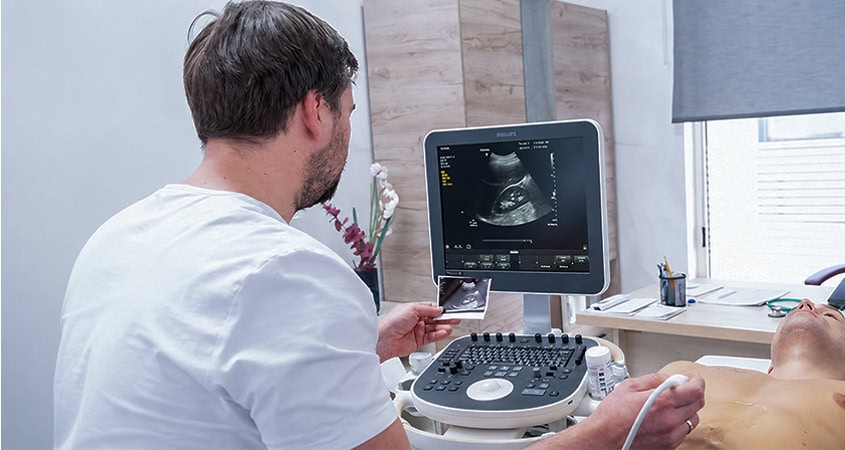
About the Liver and Its Functions
The liver is the largest gland and the body’s central metabolic organ, located in the upper right part of the abdomen. It weighs approximately 1.5 kilograms and, although it is hidden beneath the right rib cage, its role is indispensable. Without normal liver function, a person could not survive for more than two days.
For this reason, the liver is often described as the body’s “biochemical laboratory,” as it is involved in more than 500 vital functions. Some of the most important include:
- Detoxification of alcohol, medications, and other toxins from the body
- Metabolism of nutrients, including carbohydrates, fats, proteins, vitamins, and minerals
- Synthesis of blood proteins, such as albumin, globulins, and fibrinogen, as well as clotting factors
- Production of bile, which is essential for the digestion and breakdown of fats
- Storage of fat-soluble vitamins (A, D, E, and K), as well as minerals such as iron and copper
- Regulation of blood flow and maintenance of fluid balance in the body
When liver function is compromised, the entire body is affected – from digestive problems, weakened immunity, and impaired blood clotting to serious, life-threatening complications.
Our professional team is available for consultations about the available treatment programs.
Liver Diseases and the Effects of Addiction
Common Liver Diseases
The liver is the organ most affected by exposure to toxins, alcohol, and viruses. The most common liver diseases include:
- Hepatitis – inflammation of the liver caused by viruses, alcohol, medications, or autoimmune disorders.
- Liver fibrosis – the gradual replacement of healthy liver tissue with scar tissue, reducing the organ’s ability to function properly.
- Liver cirrhosis – the final stage of chronic liver damage, in which the liver loses its ability to regenerate.
- Liver cancer – a malignant disease that often develops as a result of long-term hepatitis or cirrhosis.
Alcohol and the Liver
Long-term and uncontrolled alcohol use is one of the leading causes of liver disease. Ethanol and its toxic metabolite, acetaldehyde, directly damage hepatocytes (liver cells), impairing their structure and function. This leads to chronic inflammation, which gradually progresses to permanent liver damage. The process usually develops through three key stages:
1.Fatty Liver Disease (Steatosis)
At this early stage, fat accumulates in the liver cells. Fatty liver disease may remain asymptomatic for a long time and is often discovered incidentally during an ultrasound examination. However, this condition creates a foundation for further inflammation and liver damage. If alcohol consumption is stopped and treatment is started at this stage, the liver can still recover completely.
2.Alcoholic Hepatitis
Prolonged damage causes inflammation of the liver tissue. Symptoms may include fatigue, weakness, abdominal pain, loss of appetite, and jaundice. At this stage, large numbers of hepatocytes die, releasing enzymes into the bloodstream and impairing liver function. Without timely intervention, the inflammation becomes chronic and leads to the development of fibrosis.
3.Liver Cirrhosis
This is the final, irreversible stage, in which healthy liver tissue is replaced by scar tissue. The liver loses its ability to regenerate and function normally. Patients may develop serious complications, including ascites (fluid accumulation in the abdomen), impaired blood clotting, hepatic encephalopathy, and an increased risk of liver cancer. At this stage, liver transplantation often becomes the only chance of survival.
Our team is available to provide consultations about treatment programs.
Symptoms of Liver Dysfunction
Liver diseases often develop silently and without noticeable symptoms. In the early stages, symptoms may be completely absent or nonspecific, which means that many patients do not discover the condition until it has already progressed. Over time, more obvious signs of liver damage may appear:
- Chronic fatigue and weakness – caused by the liver’s reduced ability to produce energy and metabolise nutrients.
- Nausea and vomiting – resulting from the accumulation of toxins and impaired digestion.
- Pain in the upper right abdomen – caused by an enlarged liver or inflammation of liver tissue.
- Weight loss – a common sign in patients with chronic hepatitis or cirrhosis.
- Swelling of the feet and abdomen (ascites) – caused by reduced protein production, particularly albumin, and impaired fluid regulation.
- Bleeding into the skin and internal organs – caused by impaired blood clotting; this may appear as bruising, nosebleeds, vomiting blood, or blood in the stool.
- Mental and neurological changes caused by ammonia toxicity (hepatic encephalopathy) – when the liver can no longer filter toxins, they reach the brain and may cause confusion, mood changes, and even coma.
If treatment is not started in time, liver damage continues to progress and can lead to serious complications, including severe infections, kidney and heart damage, and the development of liver cancer. Timely intervention is crucial for preserving both the patient’s life and quality of life.
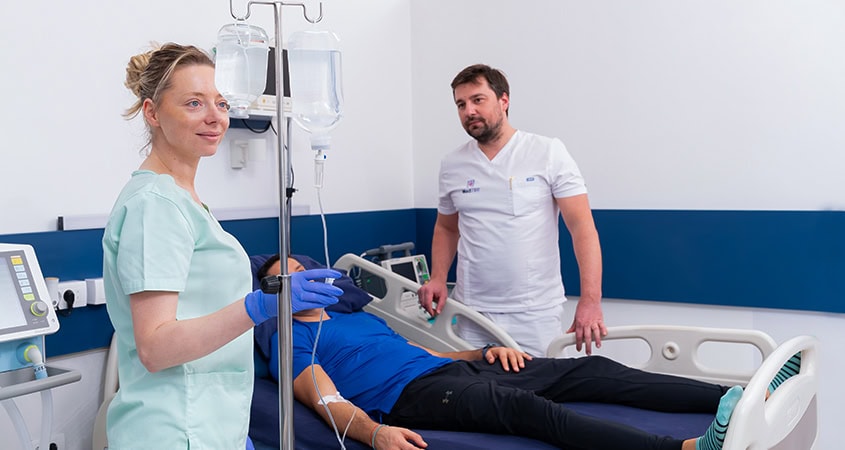
Diagnostic Process at MedTiM Clinic
To accurately determine the extent of liver damage and the most appropriate treatment approach, a thorough diagnostic assessment is essential. At MedTiM Clinic, we use a comprehensive approach that includes the following:
Medical History and Patient Consultation
The doctor gathers detailed information about the patient’s medical history, lifestyle habits, previous illnesses, and potential risk factors. Particular attention is paid to the presence and duration of any addictions.
Physical and Internal Medicine Examination
A head-to-toe examination is performed to assess the patient’s overall health, the presence of swelling or skin changes, and the functional status of the vital organs.
Laboratory Tests
- Blood and urine tests
- Monitoring liver enzyme levels, proteins, and clotting factors
- Assessment of metabolic and hormonal function
- Lipid and mineral status
Virological Testing
Particular emphasis is placed on diagnosing viral hepatitis B and C. Viral genotyping is performed to determine the specific type of virus, along with viral load testing to measure the amount of virus present, enabling precise treatment planning.
Radiological Diagnostics
- Abdominal ultrasound – visual assessment of the liver’s size, structure, and overall condition.
- Additional imaging methods, such as CT or MRI, when necessary to identify complications.
Specialist Examinations
Depending on the patient’s condition, a cardiologist, endocrinologist, neurologist, and other specialists may be involved to assess how liver disease affects the body as a whole.
This comprehensive diagnostic process allows us to create an individualised treatment plan for each patient, with a focus on liver regeneration and overall health.
Hepatometabolic Therapy – A Solution for Liver Health
Hepatometabolic therapy at MedTiM Clinic is a modern approach to treating liver damage caused by alcohol dependence, viral hepatitis, toxic medications, or metabolic disorders. The aim of the therapy is to protect the liver, support its regeneration, and restore the body’s essential functions.
Hepatoprotective Agents
Specialised medications that:
- Improve liver cell metabolism
- Provide antioxidant protection and help reduce oxidative stress
- Help prevent the formation of scar tissue
- Protect liver enzymes from damage
- Promote the regeneration of hepatocytes
Detoxification Therapy
One of the key steps in hepatometabolic therapy is detoxifying the body. The medications used are designed to neutralise and eliminate toxins produced during the breakdown of alcohol and other harmful substances, particularly ethanol and its metabolite acetaldehyde. In this way:
- Reduces the burden on the liver
- Alleviates symptoms of toxicity and inflammation
- Creates a more favourable environment for hepatocyte regeneration
Detoxification therapy forms the foundation for further treatment, as regenerative processes cannot achieve their full effect until the body has been cleansed of toxins.
Vitamins and Minerals
People with addiction and chronic liver disease often have deficiencies in essential nutrients. Due to impaired metabolism, the body lacks key vitamins and minerals involved in protecting cells and repairing tissue. It is therefore important to provide additional supplementation with:
- Vitamins A, D, E and K – fat-soluble vitamins essential for immune function, bone metabolism and cell protection.
- Zinc and selenium – minerals with powerful antioxidant and immunomodulatory effects.
This combination significantly strengthens the body’s defence system, reduces oxidative stress, and helps the liver restore its function more quickly.
Antiviral Therapy
In patients whose liver damage is caused by viral hepatitis, particularly hepatitis B or C, targeted antiviral therapy is used. Its role is to:
- Stop viral replication and reduce the amount of virus in the body
- Prevent further disease progression, fibrosis, or cirrhosis
- Increase the chances of long-term remission and preservation of liver function
The treatment protocol is always tailored to the individual patient, taking into account the type of virus, its genotype, the viral load in the blood, and any complications that may have already developed.
Metabolic and Regenerative Therapy
- Stimulation of metabolic processes in the body and protection of the heart, kidneys, and central nervous system
- Use of advanced biological methods with high regenerative potential, such as cytokines and secretomes, to support the repair of damaged liver tissue once inflammation has subsided
Prevention of Complications and Physiotherapy
- Prevention of cirrhosis, hepatic encephalopathy, and kidney damage
- Physiotherapy procedures to improve circulation, support toxin elimination, and enhance tissue oxygenation
Hepatometabolic therapy not only supports liver regeneration but also improves the patient’s overall health, reduces the risk of complications, and promotes the body’s full recovery.
Benefits of Treatment at MedTiM Clinic
MedTiM Clinic offers a unique approach to treating liver disease and addiction, based on many years of experience and the use of modern medical protocols. Our goal is to provide patients with comprehensive care – from diagnosis to full rehabilitation.
Individually Tailored Treatment
Every patient is unique, which is why treatment is always personalised. Based on a detailed diagnostic assessment, an individual hepatometabolic therapy plan is developed and tailored to the patient’s health condition, the underlying causes of liver damage, and their specific needs.
Multidisciplinary Team of Specialists
Treatment is not managed by a single doctor, but by a team of specialists, including internists, hepatologists, psychiatrists, nutritionists, cardiologists, and endocrinologists. This comprehensive approach makes it possible to treat liver disease, addiction, and all associated complications simultaneously.
Modern Treatment Methods
We use the latest advances in modern medicine, including biological treatments such as cytokines and secretomes with strong regenerative potential, modern antiviral medications, and specialised protocols designed to restore liver function and support faster recovery of the body.
Focus on Addiction Treatment
Unlike conventional hepatology programmes, MedTiM Clinic combines addiction treatment for alcohol, medications, and psychoactive substances with liver regeneration. This allows us to treat not only the consequences but also the underlying cause of the problem, helping to achieve lasting results.
Discretion and Ongoing Support
We guarantee complete privacy and discretion for our patients, along with continuous psychological and medical support throughout the entire treatment process. Our goal is for everyone who comes to MedTiM Clinic to receive not only treatment, but also the opportunity to begin a new, healthy, and stable life.
Liver Regeneration – When and Why Timely Action Matters
One of the liver’s unique characteristics is its remarkable ability to regenerate – damaged cells can repair themselves and resume their normal function. However, this ability is not unlimited. The more severe and prolonged the liver damage, the lower the chances of a full recovery.
In the early stages of liver disease, properly administered hepatometabolic therapy can significantly improve liver function and prevent progression to cirrhosis or liver cancer. Unfortunately, in advanced stages, regeneration is no longer possible, and liver transplantation becomes the only option – an intervention that carries significant risks and is limited by the low likelihood of finding a suitable donor match.
That is why timely action is essential:
- As soon as the first symptoms appear, such as chronic fatigue, nausea, abdominal pain, or swelling
- In patients with alcohol or drug dependence, to prevent further liver deterioration
- In patients diagnosed with viral hepatitis, before serious complications develop
Starting treatment promptly at MedTiM Clinic allows the liver to regain some of its natural strength and function, helping to protect the health of the entire body.
Get Your Life Back on Track
Do not wait until liver damage leads to serious and irreversible consequences. Hepatometabolic therapy at MedTiM Clinic offers an opportunity for regeneration, detoxification, and a fresh start.
Our expert team of doctors and therapists is here to help you find the best solution for your health and recovery.
Reviewed for medical accuracy by the MedTiM clinical team.