
Heroin Addiction Treatment
According to the World Health Organization (WHO), heroin addiction is classified as a substance use disorder. The WHO defines addiction as a chronic condition characterized by a compulsive urge to use a substance, loss of control over its use, and harmful consequences for both the individual and society.
Specific characteristics of heroin addiction include:
- A strong craving or compulsive urge to use heroin.
- Loss of control over the amount or frequency of use.
- The development of tolerance, meaning that increasingly larger doses are needed to achieve the same effect.
- Physical dependence, with withdrawal symptoms such as muscle aches, anxiety, and insomnia when heroin use is stopped.
- Continued use despite clear evidence of harmful effects on physical, mental, and social well-being.
According to the WHO, heroin addiction is a complex disorder in which biological, psychological, and social factors all play a key role. Treatment may include medical interventions, such as methadone or buprenorphine therapy, along with psychotherapy and social support.
What Is Heroin?
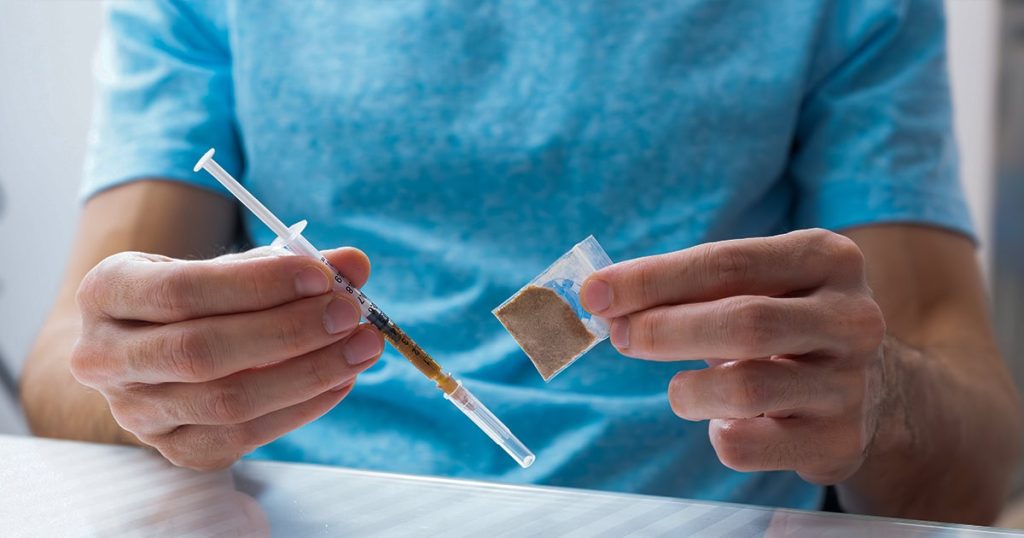
Heroin (diacetylmorphine) belongs to the opiate class of drugs. More specifically, it is an opioid analgesic derived from the Asian opium poppy. However, pure heroin does not occur naturally in an isolated form, and it is most commonly found on the illicit market as a white crystalline powder. Like cocaine, pure heroin is white, but it rarely reaches the market in that form. Its colour can vary from light brown to reddish.
Heroin is a synthetic derivative of morphine. Its rapid and powerful effects are primarily due to its high fat solubility, which allows it to reach the brain very quickly.
Consequences of Heroin Addiction
Heroin addiction can lead to a range of socially unacceptable patterns of behaviour, including:
- Social isolation: The craving for heroin becomes the primary, and often the only, driving force in a person’s life, leading to the loss of social connections.
- Reduced ability to work: The person may become unable to perform regular work-related tasks due to physical exhaustion, emotional instability, and difficulty concentrating.
- Emotional instability: Depression, anxiety, and irritability are common.
- Loss of motivation and life goals: Positive ambitions and personal goals become overshadowed, while life increasingly revolves around obtaining and using heroin.
Effective intervention requires a multidisciplinary approach involving healthcare professionals, psychotherapists, and the wider community, giving individuals with addiction the opportunity to recover and reintegrate into society.
Heroin causes both physical and psychological dependence. In terms of how quickly addiction can develop, heroin is undoubtedly one of the most dangerous drugs in use today, as it can cause structural changes in the brain within a very short period of time. That is why heroin addiction must be addressed at its source and treated as early as possible.
When a person uses heroin for the first time, they may experience an intense rush of pleasure, euphoria, well-being, and joy. These powerful sensations can create a strong desire to use more heroin, quickly leading to tolerance and dependence.
People who are addicted to heroin may use it in several ways:
- Intravenously – by injection
- By snorting – through absorption via the nasal lining
- By smoking – by heating it on aluminium foil and inhaling the fumes
Each method of use allows heroin to cross the blood-brain barrier rapidly.
Once heroin enters the brain, it is converted back into morphine and binds to opioid receptors located throughout the brain and body. These receptors regulate pain and the brain’s reward system, which is why heroin increases feelings of pleasure while reducing pain. Chronic, long-term heroin use alters both the structure and functioning of the brain, ultimately leading to physical and psychological dependence.
Physical Dependence on Heroin
Physical dependence on heroin is a condition in which a person develops a strong need to use heroin in order to avoid the unpleasant and sometimes extremely painful symptoms of withdrawal. This dependence develops as a result of prolonged heroin use, which causes changes in brain chemistry and in the way the body functions. When a person stops using heroin, the body may react with a range of symptoms, including severe muscle pain, insomnia, intense anxiety, excessive sweating, nausea, vomiting, and tremors. People with heroin dependence often continue using the drug not to experience euphoria, but to relieve these symptoms, making the withdrawal process both physically and psychologically exhausting.
Psychological Dependence on Heroin
Psychological dependence on heroin is a condition in which a person develops a deeply rooted belief that they cannot function normally without the drug. It stems from an emotional and psychological attachment to heroin’s effects, such as feelings of calm, happiness, or escape from problems. This form of dependence often involves obsessive thoughts about obtaining and using heroin, fear of facing everyday challenges without it, and a sense of emptiness or meaninglessness when the drug is not being used. Psychological dependence can be just as difficult, if not more difficult, to overcome than physical dependence, as it requires profound changes in thought patterns, daily habits, and emotional stability.
Together, physical and psychological dependence make heroin one of the most difficult drugs to overcome, requiring a holistic treatment approach that includes medical care, psychological support, and social reintegration.
Treating both the physical and psychological aspects of heroin addiction at a specialised addiction treatment centre is the only effective way for people struggling with heroin dependence to leave the drug behind for good.
Our professional team is available for consultations about the available treatment programs.
What Are the Symptoms of Heroin Addiction?
This raises an important question: how does a person addicted to heroin behave during withdrawal? In other words, how can heroin addiction be recognised, and what are its symptoms?
The signs of heroin addiction or misuse vary from person to person, depending on factors such as genetics and the amount and frequency of heroin use.
The most common symptoms of heroin addiction include:
- Depression, euphoria, and sudden mood swings
- Anxiety and irritability
- Hostility towards others
- Paranoia and hallucinations
- Delusions and disorientation
Other signs of heroin addiction include:
- Neglecting personal hygiene
- Periods of hyperactivity followed by exhaustion
- Apathy and lack of motivation
- Failing to complete tasks or meet responsibilities at school or work
- Loss of interest in previously enjoyed hobbies
- Slurred speech
- Frequent respiratory infections
Some of the physical symptoms of heroin addiction include:
- Nausea, itching, and vomiting
- Redness of the skin
- Constricted pupils
- Weight loss
- Shortness of breath and dry mouth
- Constipation
Risk Factors – What Causes Heroin Addiction?
Research has shown that several factors can influence whether a person develops an addiction to heroin.
- Genetics and family history of addiction
Although genetic factors alone do not cause heroin addiction, once a person begins using heroin, their genes may influence the likelihood of developing dependence. Individuals who have a close family member, particularly a first-degree relative, with a substance use disorder are at greater risk of becoming addicted to heroin themselves. - Brain chemistry
Continued heroin use alters the way the brain experiences pleasure and can also cause physical changes to nerve cells. These cells communicate through neurotransmitters, and heroin addiction disrupts this communication. As a result, people with heroin addiction may use increasingly larger amounts of the drug in an attempt to compensate for reduced neurotransmitter activity. - Environmental factors
Environmental influences, such as family beliefs, peer attitudes, and friends who encourage the use of heroin and other psychoactive substances, can increase the risk of addiction. For example, people who grow up in families where heroin use is accepted as a way of coping with problems and emotions may be more likely to use the drug themselves. - Psychological factors
Experience has shown that individuals struggling with untreated or undiagnosed mental health conditions may attempt to self-medicate or relieve their symptoms by using heroin and other drugs, particularly in combination with alcohol.
Effects of Heroin – What Are the Consequences of Heroin Use?
The effects of heroin, particularly when the drug is used over a prolonged period, can be extremely harmful. Its adverse effects can generally be divided into short-term and long-term consequences.
Short-Term Adverse Effects of Heroin
- Euphoria
- Dry mouth
- Warm, flushed skin
- A feeling of heaviness in the arms and legs
- Nausea and vomiting
- Itching
- Clouded thinking
- Alternating between wakefulness and drowsiness
- Slowed heart rate and breathing
- Loss of appetite and muscle weakness
Long-Term Adverse Effects of Heroin
The long-term consequences of heroin use result from the toxic effects of chronic exposure to the drug. These harmful effects can affect multiple systems throughout the body:
- Central nervous system: insomnia, depression, anxiety, other mental health problems, and long-term changes in the brain
- Cardiovascular system: infections of the heart valves and the lining surrounding the heart, blood clots that may lead to stroke, heart attack, or pulmonary embolism, and blood vessel infections
- Gastrointestinal system: chronic constipation
- Respiratory system: pneumonia and tuberculosis
- Skin conditions: abscesses around injection sites
- Impaired liver and kidney function: liver cancer and hepatitis B and C
In addition, when several people who use heroin share the same injecting equipment, such as needles, the risk of infectious diseases, including HIV and hepatitis, increases significantly. These medical complications can lead to cancer, organ failure, and even death. This clearly demonstrates why timely heroin addiction treatment is essential in preventing these and other serious consequences.
Heroin addiction can also contribute to the development of certain mental health conditions. In addition to depression and anxiety, these may include schizophrenia, bipolar disorder, post-traumatic stress disorder, personality disorders, and similar conditions.
These withdrawal symptoms can appear within just a few hours of stopping heroin after prolonged use. They include:
- Tremors
- Nausea
- Loss of appetite
- Vomiting
- Dizziness
- Irritability
- High blood pressure and an increased heart rate
- Confusion
- Excessive sweating
- Insomnia and nightmares
First Steps in Heroin Addiction Treatment
Heroin addiction is a serious condition that profoundly affects not only the body but also a person’s thoughts and perception. Because of the powerful impact this substance has on both mental and physical health, people who are addicted to heroin rarely recognise the problem on their own or find the strength to face the challenges of recovery. In such cases, support from family and friends is essential, particularly at the beginning of treatment, when it is most important for the person to understand that recovery is possible, no matter how difficult the process may seem.
The first step in treating heroin addiction is motivating the person to seek help and believe in the recovery process. Family members and other close individuals play a key role by helping them recognise the harm caused by the drug and understand that there is a way out of the cycle of addiction. Once the person decides to begin treatment, professional care and medical support become essential to achieving lasting change.
How Long Does Heroin Addiction Treatment Take?
Medical treatment for heroin addiction lasts 14 days, depending on the patient’s individual needs. During this period, our specialist team provides personalised care and support, ensuring a pain-free detoxification process and stabilisation of the body.
Our team is available to provide consultations about treatment programs.
Heroin Detoxification
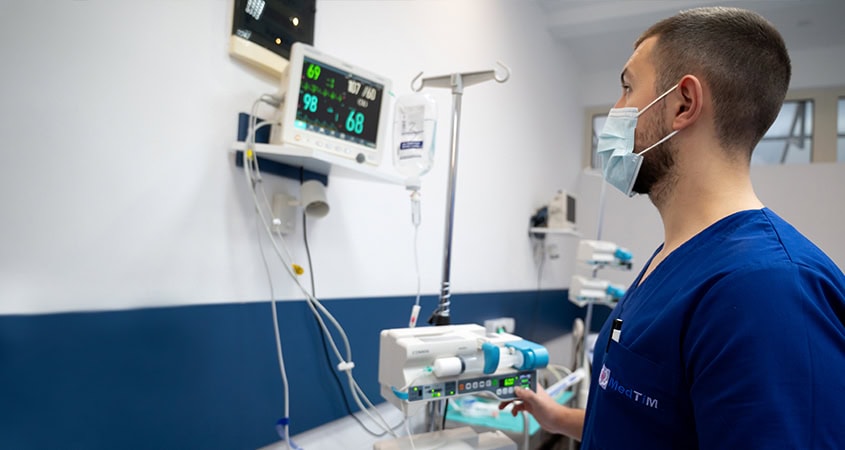
Medical detoxification is the essential first step in treating heroin addiction. At MedTiM Clinic, the process is carried out under the close supervision of experienced specialists, ensuring that heroin is safely and gradually eliminated from the body in a controlled clinical setting. By using advanced, internationally recognised methods, we provide pain-free detoxification, helping patients remain comfortable while alleviating withdrawal symptoms.
Heroin addiction is not a weakness of character, but a complex condition that requires professional and carefully managed treatment. Detoxification is more than the physical process of clearing the drug from the body – it is a crucial turning point and the first step towards psychological and emotional recovery. Our specialist team provides support and reassurance throughout the journey towards a new life free from addiction.
What Is Detoxification?
Detoxification is a medically supervised process that clears heroin and other toxins from the body. As the first step towards recovery, it is carried out in a controlled environment where specialists closely monitor the patient’s condition to minimise discomfort and prevent potential complications. At the specialised psychiatric clinic, a team of doctors, nurses, and therapists provides comprehensive support throughout the process, giving patients a safe and more comfortable start to rehabilitation.
Why Is Detoxification Important?
Heroin addiction takes a severe toll on both the body and mind, leaving lasting physical and psychological effects. Detoxification helps the body overcome physical dependence, creating a foundation for addressing the psychological aspects of addiction. When carried out properly, detoxification significantly improves the chances of a successful and lasting recovery, allowing the patient to take a crucial step towards a healthier and more fulfilling life.
Fear of withdrawal symptoms often delays the start of detoxification. Although the process can be challenging, professional medical supervision can significantly reduce the severity of these symptoms. Modern treatments and medications help minimise discomfort, allowing patients to undergo detoxification in the safest, most comfortable, and least painful way possible. It is important to understand that every fear can be overcome with expert support and guidance.
Heroin detoxification is not the end of the struggle, but the beginning of recovery. Once heroin has been cleared from the body, the focus can shift to the emotional, psychological, and social aspects of healing. This is a crucial stage in building a healthier, more stable life.
Pharmacotherapy (Medications for Heroin Withdrawal)
Pharmacotherapy is a medical approach to addiction treatment that uses specific medications to relieve withdrawal symptoms, reduce cravings for heroin, and stabilise the body. Its goal is not only to stop heroin use, but also to restore physical and mental stability, creating a foundation for a healthy life free from addiction.
The medications used to treat heroin addiction are carefully tailored to each patient’s individual needs:
- Methadone – A long-acting opioid agonist that reduces cravings and withdrawal symptoms, allowing the patient to stabilise without experiencing euphoria. Methadone helps establish a stable foundation for continued rehabilitation.
- Buprenorphine – An effective and safe medication that reduces withdrawal symptoms and cravings, with a lower risk of misuse. It is often used as part of a structured treatment programme, helping patients transition towards a substance-free life.
- Naltrexone – An opioid antagonist that blocks the effects of heroin in the body, eliminating the “reward” associated with drug use and reducing the risk of relapse.
- Other supportive medications – Used to relieve physical and psychological symptoms during detoxification and recovery.
Why Is Pharmacotherapy Essential?
Heroin addiction significantly alters the brain’s chemical processes, while pharmacotherapy helps gradually restore balance. This treatment reduces the risk of relapse and creates the conditions needed to focus on the next stages of recovery, such as psychotherapy, developing healthy habits, and rebuilding personal values.
Pharmacotherapy is often surrounded by misconceptions, including the belief that “medication-assisted treatment simply replaces one addiction with another.” In reality, when used correctly, these medications do not produce euphoria or lead to addiction. Their purpose is to manage symptoms and reduce the urge to use heroin, helping patients remain stable throughout the recovery process.
Pharmacotherapy is used as part of a broader, comprehensive approach to treatment. Combined with psychotherapy, family support, and personal development, it provides a safe and effective path to recovery. With professional guidance, it is possible to successfully overcome the physical and emotional challenges of addiction.
Psychotherapy and Counselling
Overcoming heroin addiction is not only a physical process – it is also an emotional, psychological, and spiritual journey. Addiction leaves deep marks on the mind and spirit, shaping the way a person sees themselves, the world around them, and their future. Psychotherapy and counselling play a vital role in this process by providing support in finding inner peace, developing healthier patterns of thought and behaviour, and discovering a path towards a fulfilling life free from addiction.
Why Is Psychotherapy Essential?
Heroin addiction often has deep roots in emotional pain, trauma, or a sense of emptiness. Psychotherapy provides a safe space to explore the underlying causes of addiction and face the challenges that arise during recovery. Through this process, patients can gain a better understanding of the thoughts, emotions, and behavioural patterns that sustain the cycle of addiction, paving the way for meaningful change and lasting recovery.
Types of Psychotherapy Used in Addiction Treatment at MedTiM Clinic:
- Cognitive Behavioural Therapy (CBT)
CBT helps patients identify and change negative patterns of thought and behaviour that contribute to heroin use. This form of therapy provides practical strategies for managing cravings, stress, and everyday challenges without turning to drugs. - Motivational Interviewing
This form of therapy focuses on strengthening a person’s internal motivation to change. Through conversations with a therapist, patients identify the goals, values, and reasons that support their decision to leave heroin behind. - Family Therapy
Addiction affects not only the person struggling with it, but also their family. Family therapy helps repair damaged relationships, strengthen mutual support, and create a healthy family environment that encourages recovery. - Group Therapy
Sharing experiences with people facing similar challenges provides support and encouragement. Group therapy offers an opportunity to exchange perspectives and insights, creating a sense of connection and mutual support throughout recovery.
Counselling: The Foundation of Support During Recovery
Addiction counsellors provide support at every stage of recovery. Their role is to help patients set realistic goals, develop strategies for coping with challenges, and find the strength to keep moving forward, even during the most difficult moments. Counsellors are trusted allies in building a new life, offering support without judgement or prejudice.
Psychotherapy and counselling help patients to:
- Identify and understand the triggers for heroin use.
- Manage stress and emotions in a healthy way.
- Build self-confidence and develop a positive self-image.
- Repair damaged relationships and establish new, healthy connections.
Psychotherapy and counselling help patients overcome the most difficult moments while also discovering their inner strength and potential for a happier, healthier life. Professional support provides the guidance needed to leave the past behind and build a future filled with new possibilities.
Opioid Blockers for Heroin Addiction
Heroin blockers are specialised medications that prevent heroin and other opioids from affecting the brain. The most commonly used opioid blocker is naltrexone. It blocks the euphoric effects of heroin, reducing the risk of relapse and helping patients remain on the path to recovery.
How Do Opioid Blockers Work?
Opioid blockers work by binding to the receptors in the brain that heroin would normally activate. When heroin enters the body, the blocker prevents it from producing euphoria or any other effects. This reduces the desire to use heroin, as the drug can no longer produce the effects associated with addiction.
Why Are Opioid Blockers Important?
- Protection against relapse – An opioid blocker provides a physical safeguard against returning to heroin use, even when the person is faced with temptation.
- Time to recover – While the blocker is active, the patient can focus on psychological and emotional recovery without fear of the drug taking effect again.
- Support in maintaining commitment – The blocker helps patients remain committed to abstinence, particularly during moments of vulnerability.
- Rebuilding trust – Introducing an opioid blocker sends a strong message to both the individual and their family that they are committed to overcoming addiction and rebuilding their life.
An opioid blocker is more than just a form of physical protection – it also provides psychological support. Each day without heroin reinforces the person’s commitment to recovery and brings them closer to a healthier, more stable life. The use of an opioid blocker provides the time and space needed for personal growth, the development of new habits, and the creation of a strong foundation for a happier and more secure future.
Maintenance Therapy (Substitution Therapy)
For people with long-term heroin addiction, transitioning to a drug-free life can be extremely challenging. Opioid substitution therapy uses medications such as methadone or buprenorphine to reduce withdrawal symptoms and cravings for heroin. These medications help maintain stability and allow patients to focus on the next stages of recovery without experiencing the euphoric effects associated with heroin use. Opioid substitution therapy is one step towards a healthier and more stable way of life.
Opioid substitution therapy is recommended in cases where:
- The addiction has been present for a long time and is accompanied by frequent relapses.
- Heroin use has caused serious health or social consequences.
- A period of stability is needed to support physical and emotional recovery.
Benefits of Opioid Substitution Therapy
- Risk reduction – The therapy helps prevent overdoses and infections associated with injecting heroin.
- Life stabilisation – It allows patients to rebuild their daily routine, career, and relationships without constantly struggling with cravings.
- Time for change – While the medication provides physical stability, patients can focus on the psychological and social aspects of recovery.
Physical Rehabilitation: Restoring Health Damaged by Addiction
Heroin addiction affects not only the mind and behaviour but can also have a serious impact on physical health. Long-term opioid use may impair the functioning of vital organs and systems, including the liver, heart, and immune system. For this reason, addiction treatment should also include a strong focus on physical recovery. Programmes designed to address addiction-related physical health problems support the restoration of overall well-being, which is an essential part of achieving a full and lasting recovery.
Programmes designed to address the effects of long-term opioid use are intended to support the diagnosis, treatment, and restoration of bodily functions. Particular attention is given to the key aspects of physical health:
- Liver health:
Treatment of hepatitis B and C using modern therapeutic methods.
Support for liver regeneration through medication, supplements, and targeted therapies aimed at improving liver function. - Cardiovascular health:
Treatment of problems related to blood pressure, heart rhythm, and circulation.
Physiotherapy and medically supervised exercise to strengthen the heart and blood vessels. - Immune system support:
Detoxification and immune system strengthening through ozone therapy and supplementation.
Methods aimed at improving overall health and well-being.
An integrated approach combines modern medical procedures with individually tailored treatment plans. In addition to treating specific health conditions, a range of therapeutic methods may be used, including hyperbaric oxygen therapy, sauna sessions, massage, and lymphatic drainage, all of which support regeneration and help restore energy levels. This comprehensive approach promotes a faster and more effective recovery of the entire body.
Once the body is free from the toxic effects of heroin and begins to recover, a foundation is created for lasting stability and psychological healing. Treating physical health problems not only improves quality of life but also increases the chances of long-term abstinence and a healthier future.
Pain-Free Heroin Addiction Treatment
Heroin addiction can be treated successfully thanks to the innovative methods used at MedTiM Clinic. We provide pain-free detoxification using internationally recognised methods that rapidly remove toxic substances from the body and help patients overcome physical dependence.
Heroin Addiction Treatment Prices
For further information about treatment costs and the available options, please feel free to contact us by phone or email. Our team will be happy to provide all the information you need and answer any questions you may have.
Expert Heroin Addiction Treatment with Compassionate Care at MedTiM
Heroin addiction treatment requires a comprehensive approach that addresses the different aspects of recovery, including:
- Medical expertise: Experienced psychiatrists and therapists with extensive expertise in addiction treatment.
- A wide range of therapeutic methods: Procedures such as detoxification, blood ozonation, physiotherapy, lymphatic drainage, massage, hyperbaric oxygen therapy, sauna sessions, and supervised therapeutic exercise programmes.
- A comfortable recovery environment: Well-appointed rooms designed in the style of luxury suites provide a calm and supportive setting for treatment.
- Community support and innovative programmes: Occupational therapists and modern treatment approaches help patients develop new skills and adopt healthy habits that support long-term recovery.
This comprehensive approach not only provides the professional support and stability patients need, but also encourages the development of healthy lifestyle habits and emotional balance. Through a combination of therapies and a supportive environment, patients are given the opportunity to regain stability in their lives and move forward towards a future free from addiction.
This information has been reviewed and verified by the MedTiM clinical team.
View or Download the Brochure
Learn more about the treatment program, process, and key information in our brochure.