
Gambling Addiction Treatment
Gambling addiction is a serious psychological condition that affects not only the individual, but also their family, friends, and wider social environment. Although it may initially seem like a harmless pastime or form of entertainment, gambling can easily develop into a pathological addiction that leads to financial losses, damaged family relationships, emotional distress, and serious mental health problems.
People struggling with gambling addiction often lose control over their behaviour, neglect everyday responsibilities, and become emotionally unstable. Depression, anxiety, debt, and social isolation are just some of the difficulties they may face. In more severe cases, gambling addiction can lead to criminal activity, the breakdown of marriages, and even suicidal thoughts.
However, recovery is possible – effective treatment for gambling addiction is available. Early intervention and appropriate professional support are essential for achieving lasting recovery. Through a combination of psychotherapy, medical support, and lifestyle changes, it is possible to overcome this condition and regain control of your life.
If you or someone close to you is showing signs of problem gambling, do not wait for the situation to worsen – starting treatment early significantly improves the chances of long-term recovery. Learn how we can help and take the first step towards a new, stable life.
What Is Gambling Addiction?
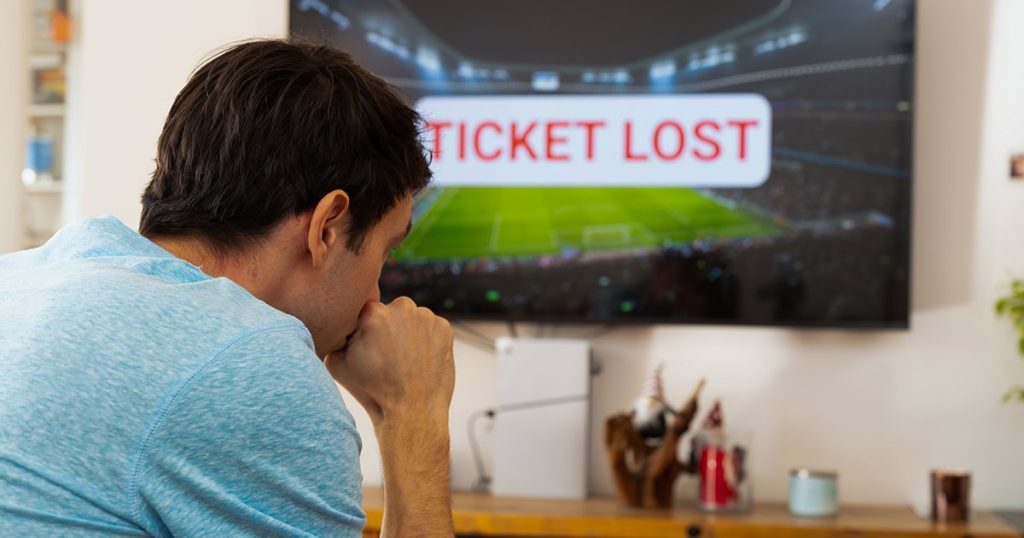
Gambling addiction is a serious psychological disorder classified as a non-substance addiction, also known as a behavioural addiction. Although it does not involve the use of substances such as drugs or alcohol, gambling addiction can have equally devastating consequences for an individual’s life.
People who develop a compulsive need to gamble lose the ability to make rational decisions and become preoccupied with gambling, whether in casinos, sports betting shops, online games, or on slot machines. Although they are often aware that they have lost control, a powerful inner urge drives them to continue, leading to increasingly serious problems, including financial losses, family conflict, depression, and social isolation.
The World Health Organization (WHO) and the American Psychiatric Association (APA) recognise pathological gambling as a mental health disorder that requires professional therapy and specialist-led treatment.
How Does Gambling Become Pathological?
The progression from occasional gambling to addiction occurs gradually and involves several stages:
- Experimentation – The person gambles occasionally for fun or in social settings, without feeling a strong need to continue.
- Increased involvement – They begin wagering larger amounts of money, believing that a win will solve their financial problems or improve their standard of living.
- Loss of control – The person returns to gambling more frequently, is unable to stop even after losing money, and begins to neglect other areas of life.
- Negative consequences – They fall into debt, borrow money, and neglect work, family, and friends. Emotional and mental health problems become increasingly severe.
- Compulsive gambling – Despite serious consequences, the person is unable to stop gambling and may experience feelings of guilt, depression, and even suicidal thoughts.
The Effects of Gambling on the Brain and Behaviour
Gambling activates the brain’s dopamine system in a way similar to drug use. Each time a person wins – or even anticipates a win – the brain releases large amounts of dopamine, a neurotransmitter associated with pleasure, creating a temporary sense of euphoria and excitement.
The problem arises when the brain develops tolerance – the person no longer experiences the same level of pleasure as before, so they begin to gamble more intensely, wager larger amounts, and take greater risks in an attempt to recreate the same sense of excitement.
This cycle leads to the following negative changes in behaviour:
- Unrealistic beliefs about winning – The person believes they can recover the money they have lost by continuing to gamble.
- Increased impulsivity – They make decisions without considering the consequences.
- Deteriorating mental health – Depression, anxiety, and emotional instability may develop.
- Isolation and social difficulties – The person neglects family, friends, and professional responsibilities.
Although many people believe they can “control” their gambling, the reality is that addiction gradually takes complete control of their thoughts and actions. Professional help is therefore the only effective way to break this destructive cycle.
Causes and Stages of Gambling Addiction
Gambling addiction is not the result of weak willpower or poor decision-making – it develops under the influence of various psychological, biological, and social factors. People who gamble are often unaware of how they became addicted, as the condition develops gradually and may initially seem like harmless entertainment. However, as the urge to gamble grows, the consequences become increasingly serious.
Understanding the causes of gambling addiction is essential for effective treatment and prevention, as it helps identify risk factors and enables earlier intervention.
Causes of Addiction
Psychological and Biological Factors
Gambling is a powerful stimulus for the brain, as it triggers intense emotional responses associated with winning and losing. The main psychological and biological factors that contribute to addiction include:
- Dopamine reward response – The brain perceives every win, even a small one, as a reward, triggering the release of dopamine, a neurotransmitter associated with pleasure. Over time, the brain begins to associate gambling with enjoyment, reinforcing addictive behaviour.
- Impulsivity and poor self-control – People with high levels of impulsivity and difficulty controlling their emotions are more likely to develop a gambling addiction.
- Mental health problems – Anxiety, depression, stress, and other mental health conditions often lead people to turn to gambling as a way of “escaping” their problems.
- False beliefs – Many people who gamble believe in “guaranteed systems” or think their luck is bound to change, ignoring the fact that games of chance are mathematically designed to favour the house.
Environmental and Social Influences
Gambling is not merely an individual problem – it is strongly influenced by a person’s environment and prevailing social norms. Some of the main factors that increase the risk of addiction include:
- Exposure to gambling from an early age – People who were exposed to gambling during childhood or adolescence, whether through family, friends, or advertising, are at greater risk of developing an addiction.
- Social pressure and gambling culture – In many social circles, gambling is accepted as a normal form of entertainment, making it easy for individuals to become involved without fully understanding the consequences.
- Easy access to betting shops and online gambling – The digital revolution has made gambling more accessible than ever. Online betting, casino games, and sports wagering are available around the clock, making it even more difficult to maintain control.
- Financial difficulties – Many people begin gambling out of desperation, hoping to “make money quickly” and solve their financial problems. However, losses often lead to even greater debt and a vicious cycle of addiction.
Adrenaline and the Need for Excitement
One of the main reasons people continue to gamble, even after suffering significant losses, is the intense rush of adrenaline and excitement that gambling provides.
- The thrill of uncertainty – The brain responds to unpredictable situations by increasing the release of adrenaline and dopamine, creating feelings of excitement and euphoria.
- The need to take greater risks – As the addiction progresses, ordinary bets no longer provide the same level of satisfaction, so the person takes increasingly greater risks in an attempt to recreate the same sense of excitement.
- Escaping reality – For many people, gambling becomes a way to escape stress, problems at work or within the family, and emotional difficulties.
This psychological mechanism creates a dangerous trap, as people who gamble believe they are “just one step away from winning” when, in reality, they are only sinking deeper into financial and psychological difficulties.
Our professional team is available for consultations about the available treatment programs.
Stages of Gambling Addiction
Gambling addiction develops gradually and progresses through several clearly defined stages. At first, gambling may seem like harmless entertainment, but as the person invests increasing amounts of time and money, they begin to lose control over their behaviour, leading to serious consequences.
Experimentation
In the first stage, the person gambles occasionally out of curiosity, for entertainment, or due to social pressure.
- Gambling is seen as a harmless activity with no significant consequences
- Early wins create excitement and a false sense of confidence about future success
- Losses are not taken seriously and are viewed simply as part of the game
- Initial belief in betting strategies or “luck” as the key to winning
Frequent Gambling
Gambling becomes increasingly frequent, and the person begins wagering larger amounts of money and spending more time on gambling activities.
- The frequency of betting increases, and gambling sessions become longer
- Wins produce euphoria, while losses trigger an urge to win the money back
- The person feels the need to increase their stakes to achieve the same level of excitement
- They begin to believe they can “recover” their previous losses
Loss of Control
As the addiction progresses, gambling becomes obsessive and begins to affect everyday life.
- The person loses sight of their limits and gambles with money they cannot afford to lose
- They begin neglecting family, social, and professional responsibilities
- Serious financial problems and debt begin to emerge
- Gambling becomes a way to escape stress, problems, and reality
Negative Consequences
At this stage, the addiction begins to seriously threaten the person’s mental health, financial stability, and relationships with those closest to them.
- Debts become overwhelming, often leading the person to take out loans or borrow money from others
- Relationships with family and friends deteriorate because of secrecy and dishonesty
- Symptoms of anxiety, depression, and emotional instability begin to appear
- The person may lose their job, face legal problems, or become socially isolated
Compulsive Relapse into Harmful Habits
Even when a person tries to stop gambling, relapse is common without appropriate support.
- Every attempt to stop causes restlessness and an intense urge to gamble
- Stress, boredom, or financial problems often become triggers for relapse
- The person returns to destructive patterns of behaviour despite being aware of the consequences
- Depressive episodes, feelings of guilt, and a loss of hope for recovery are common
Gambling addiction progresses through these stages gradually, but it is not always easy to recognise the point at which occasional gambling becomes pathological. Identifying the problem early is essential to preventing further consequences and finding a way out of this vicious cycle.
Symptoms and Consequences of Gambling Addiction
Gambling addiction affects far more than a person’s finances – it can seriously damage mental health, relationships, and overall stability in everyday life. Symptoms may be divided into psychological and behavioural changes, both of which can have far-reaching consequences if the problem is not recognised and treated in time.
Psychological Symptoms
As the addiction progresses, the person develops emotional and mental health problems that become increasingly severe.
- Obsessive thoughts about gambling – The person constantly thinks about their next gambling session, analyses previous games, and devises new strategies to recover their losses. These thoughts become so intense that they interfere with everyday functioning.
- Anxiety, depression, and stress – Every gambling session triggers strong emotional reactions. At first, these may include excitement and euphoria, but losses lead to intense stress, anxiety, and feelings of helplessness. People who struggle with addiction for a prolonged period often experience depressive episodes and lose interest in other areas of life.
- Mood swings and insomnia – People with gambling addiction often become irritable and restless, particularly when they are unable to gamble. Their sleep is disrupted because their mind is constantly preoccupied with gambling, losses, and ways to obtain more money to continue.
Behavioural Changes
In addition to internal psychological changes, gambling addiction also affects a person’s behaviour, and these changes are often first noticed in family and professional relationships.
- Secrecy and isolation – People with gambling addiction become withdrawn and avoid discussing their finances and activities. They often lie about where they spend their time and how much money they have lost, hide bills and financial statements, and avoid direct questions about their behaviour.
- Neglecting family and responsibilities – As the addiction progresses, gambling takes priority over all other obligations. The person begins to neglect work, family relationships, and friendships. Frequent conflicts may arise with a partner or family members because of irresponsible behaviour and financial difficulties.
- Financial problems and debt – People with gambling addiction often spend all their money on gambling without considering the consequences. Once their funds are exhausted, they may borrow from family and friends, take out loans, or turn to informal lenders. Their debts grow rapidly, along with increasingly desperate attempts to recover the money they have lost, drawing them even deeper into addiction.
The consequences of these symptoms can be serious and long-lasting, including the complete loss of financial security, family breakdown, job loss, and even the development of suicidal thoughts. Recognising these warning signs early is essential to preventing further deterioration and finding the right path towards recovery.
Our team is available to provide consultations about treatment programs.
Treatment Options for Gambling Addiction
Treating gambling addiction requires a comprehensive, personalised approach. As this is a psychological addiction, the recovery process involves changing patterns of thinking, learning to manage urges, and returning to healthy lifestyle habits. A range of treatment methods can help people break free from destructive patterns of behaviour and regain control of their lives.
Individual Psychotherapy
Psychotherapy is one of the most important components of gambling addiction treatment. Its aim is to help the person identify the triggers that lead them to gamble, develop strategies for managing urges, and gradually build healthier patterns of thinking.
- Cognitive behavioural therapy (CBT) – This approach helps people identify negative thoughts and irrational beliefs associated with gambling. By working with a therapist, the patient learns to replace destructive thought patterns with healthier strategies for coping with stress and personal difficulties.
- Working with therapists who specialise in addiction – Therapists experienced in treating gambling addiction help patients understand the psychological mechanisms behind the condition and develop tools for managing urges over the long term.
Inpatient Treatment and Medical Approaches
For people in the later stages of addiction, where loss of control over gambling has become severe, inpatient treatment at a specialised facility is recommended. This form of treatment provides intensive therapy and continuous professional support in a structured, controlled environment.
- Assessment and pharmacotherapy – A thorough evaluation of the patient’s mental and physical health helps determine the most appropriate treatment plan. In some cases, when anxiety, depression, or impulse-control disorders are present, medication may be prescribed to help stabilise the patient’s condition.
- Techniques for managing gambling urges – Patients learn to recognise the triggers that lead them to gamble and develop strategies for managing their impulses. These may include relaxation techniques, mental exercises, and methods for redirecting attention.
- Rehabilitation and post-treatment support – After the initial treatment programme has been completed, long-term support through regular follow-up appointments and counselling helps patients remain committed to recovery and prevent relapse. At this stage, preventive strategies are often used to strengthen self-confidence and help patients return to a normal life without the urge to gamble.
An effective treatment programme combines several approaches to achieve lasting recovery. The key to success lies in ongoing therapy, changing patterns of thinking, and adopting healthy habits that support a stable and fulfilling life without gambling.
How Long Does Treatment Take and How Effective Is It?
Gambling addiction treatment is a highly individual process that depends on the severity of the addiction, the patient’s psychological condition, and the therapeutic methods used. Although every case is unique, general timeframes can provide an indication of the average duration and effectiveness of treatment.
Typical Treatment Timeline
Treatment may last from several weeks to several months, depending on the patient’s individual progress.
- Intensive treatment programmes at specialised facilities usually last between two and four weeks. During this period, the patient undergoes psychotherapy, receives education about addiction, and learns techniques for managing gambling urges.
- Long-term follow-up and post-treatment support continue for at least one year to help prevent relapse and ensure a stable recovery.
Treatment Success Rates
Treatment outcomes vary depending on the severity of the condition, patient engagement, co-occurring mental health conditions and access to long-term psychological support. The key factors contributing to success include:
- Regular follow-up and support after completing the initial treatment programme
- Involving family members and loved ones in the recovery process
- Changing patterns of thinking and developing healthy ways to cope with stress
- Establishing new life goals and activities that reduce the urge to gamble
Long-Term Follow-Up and Relapse Prevention
After completing the initial treatment programme, patients enter a long-term rehabilitation programme designed to prevent relapse and strengthen psychological resilience.
- Psychological support through individual or group therapy helps patients cope with everyday challenges without returning to gambling.
- Ongoing monitoring and follow-up appointments help identify potential signs of relapse and allow for timely intervention.
- Lifestyle changes involve focusing on healthy activities such as exercise, hobbies, and social engagement, which reduce the urge to return to destructive patterns of behaviour.
Treating gambling addiction is not simply about stopping gambling – the goal is to achieve a complete lifestyle change, stabilise the patient’s psychological well-being, and develop a healthy relationship with money, emotions, and decision-making. Long-term support and appropriate therapy enable patients to regain control of their lives and prevent relapse into addiction.
Cost of Gambling Addiction Treatment
The cost of gambling addiction treatment varies depending on the duration of therapy, the treatment methods used, and the patient’s individual needs. Every case is different, so the treatment approach is tailored to ensure maximum effectiveness and long-term recovery.
Factors that influence the cost of treatment include:
- Type of therapy – Individual and group psychotherapy, cognitive behavioural therapy, medical approaches, and inpatient programmes all have different costs.
- Duration of treatment – Intensive inpatient programmes usually last between two and four weeks, while long-term therapeutic support may continue for several months.
- Required medical care – When anxiety, depression, or other psychological disorders are present, medication and additional diagnostic assessments may be necessary.
As every treatment programme is tailored to the patient’s individual needs, please contact our team for an accurate cost estimate and detailed pricing information. We will provide all the information you need and help you find the most suitable solution for recovery.
Why Choose Our Addiction Treatment Centre?
Choosing the right place for gambling addiction treatment is a crucial step on the path to recovery. Our centre provides professional, comprehensive, and confidential support for people who want to break free from destructive patterns of behaviour and build a stable, fulfilling life.
Experience and Expertise of Our Medical Team
Our team consists of experienced psychiatrists, psychotherapists, psychologists, and medical professionals with many years of experience in addiction treatment. We work together to ensure that every patient receives the attention, understanding, and professional support they need.
An Individualised Approach to Every Patient
We understand that every person has their own story, experiences, and reasons for developing an addiction. That is why we create personalised treatment plans tailored to each patient’s psychological condition, life circumstances, and recovery goals. This approach increases the effectiveness of treatment and reduces the risk of relapse.
Long-Term Support and Counselling
Recovery does not end when the initial treatment programme is completed. Our centre provides ongoing post-treatment support through counselling, follow-up appointments, and psychological monitoring to help patients remain stable and committed to recovery. We focus on long-term results and empower each individual to cope successfully with the challenges of everyday life.
The trust our patients place in us is built on dedication, expertise, and a genuine commitment to helping them rediscover themselves – free from gambling, guilt, and fear of the future.
Reviewed for medical accuracy by the MedTiM clinical team.
View or Download the Brochure
Learn more about the treatment program, process, and key information in our brochure.