
Medical & Therapeutic Procedures
Precise diagnostics and modern addiction treatment procedures for a safe, individually tailored approach to recovery.
Diagnostics as the First Step Toward Successful Treatment
As part of the diagnostic and treatment process, MedTiM Clinic performs a range of medical, psychiatric, and therapeutic procedures that allow for an accurate assessment of the patient’s condition and the selection of the most effective therapeutic approach.
These procedures are focused on detecting the underlying problem, assessing physical and psychological status, and identifying any associated conditions that may affect the course of treatment. All procedures are carried out individually, safely, and in accordance with each patient’s needs
Psychiatric Examination
A detailed psychiatric examination is the first step in assessing the patient’s mental state. Based on the consultation, medical history, and clinical assessment, the psychiatrist establishes a diagnosis and defines the guidelines for the further course of treatment, including pharmacotherapy when needed.
Somatic Status
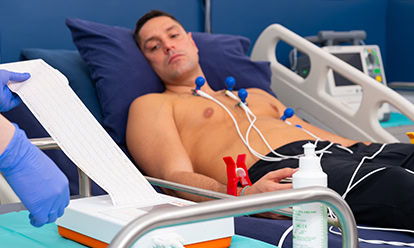
Assessment of somatic status includes an evaluation of the patient’s general health, blood and urine laboratory tests, and additional diagnostics when necessary. These findings are important for safely planning therapy and selecting appropriate medical procedures.
Psychological Status
Psychological assessment includes a consultation with the patient, taking a psychological history, and, when needed, involving family members. The goal is to assess emotional functioning, the level of addiction, and the psychological factors that influence treatment planning
Addiction Treatment Procedures Tailored to Each Patient
Treating addiction disorders and associated mental health difficulties requires much more than a single therapeutic method. Medical and therapeutic procedures at MedTiM Clinic include diagnostics, detoxification, psychotherapy, and modern recovery support methods, selected according to each patient’s medical, psychological, and emotional condition.

Diagnostics as the Basis of the Treatment Plan
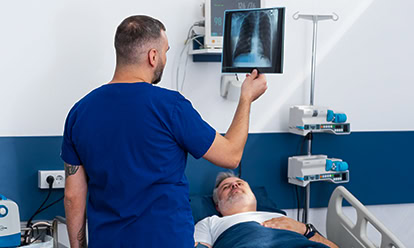
The first step in every therapeutic process is diagnostics. It allows the professional team to assess the patient’s overall condition and, based on the findings, determine the safest and most effective treatment plan. Diagnostic assessment includes a psychiatric examination, somatic status evaluation, blood and urine laboratory tests, psychological assessment, and, when necessary, additional specialist examinations.
Individual Procedure Planning
The goal of diagnostics is not only to confirm the presence of addiction, but also to identify associated conditions that may affect the course of treatment. These may include anxiety, depression, sleep disorders, liver damage, cardiovascular risks, physical exhaustion, or the consequences of long-term use of alcohol, medication, and psychoactive substances. When all these factors are taken into account, it is possible to create a treatment plan tailored to the patient’s actual needs.
Detoxification and Medical Stabilization
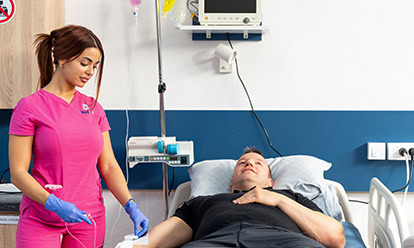
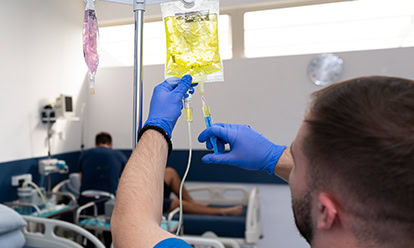
For patients with physical dependence, detoxification is an important part of treatment. Detoxification is a medically supervised process of eliminating harmful substances from the body, while relieving withdrawal symptoms and stabilizing vital functions. This phase is particularly important because the sudden discontinuation of alcohol, opiates, sedatives, or other substances can cause serious physical and psychological reactions.
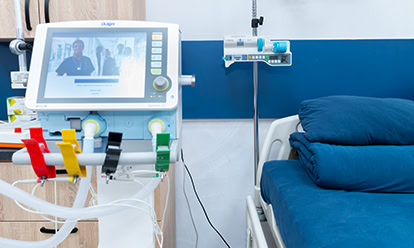
For this reason, detoxification is carried out in controlled conditions, under the supervision of doctors and medical staff. During the procedure, the patient’s condition is monitored, appropriate therapy is administered, and the treatment plan is adjusted when necessary. The goal is not only to physically cleanse the body, but also to stabilize the patient so they can continue with further therapeutic work.
Specialized Procedures for Certain Types of Addiction
For certain patients, specialized procedures may also be used, such as the UROD procedure, intended to support a rapid start to recovery in cases of opiate addiction. The decision to apply this method is made exclusively by the medical team, after a detailed assessment of the patient’s health condition, risks, and indications. This approach ensures that the procedure is not viewed as a universal solution, but as part of a broader treatment plan that includes stabilization, psychological support, and relapse prevention.
Psychotherapy as Support for Long-Term Recovery
In addition to medical procedures, psychotherapy plays an important role in treatment. Through individual, group, or family therapy, the patient learns to recognize the causes of addictive behavior, develop healthier patterns of thinking, strengthen motivation, and build strategies for coping with stress and triggers. Psychotherapy helps the patient better understand their emotions, decisions, and behaviors, while also developing more practical mechanisms for maintaining stability after the intensive phase of treatment has been completed.
Modern Therapeutic Methods in the Recovery Process
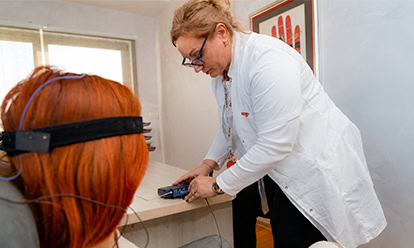
MedTiM Clinic also uses modern therapeutic methods that can support recovery, such as transcranial magnetic stimulation, neurofeedback and biofeedback therapy, blood ozonation, neurometabolic therapy, and hepatometabolic therapy. These procedures have different goals — from supporting the nervous system and emotional stabilization, improving concentration and stress regulation, to detoxifying the body, supporting liver function, and promoting overall regeneration.
Support for the Nervous System and Emotional Stability
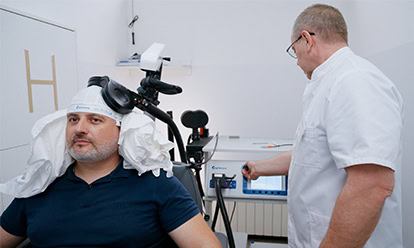
Transcranial magnetic stimulation is a non-invasive therapeutic procedure that uses magnetic impulses to stimulate specific regions of the brain. It can provide support for patients experiencing depressive symptoms, increased cravings, impulsivity, or emotional instability. Neurofeedback and biofeedback therapies are focused on improving self-regulation of brain and body activity, which may contribute to reduced stress, better concentration, and greater emotional balance.
Body Regeneration and Support for Overall Health
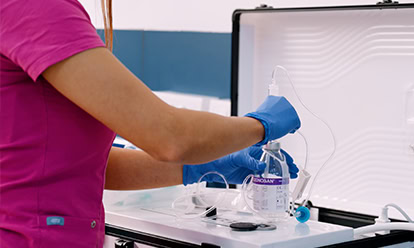
Blood ozonation, neurometabolic therapy, and hepatometabolic therapy are used to support the body’s recovery. Their goal is to improve the patient’s overall condition, support regeneration and metabolism, enhance tissue oxygenation, and protect organs that are often burdened by long-term use of alcohol, medication, or psychoactive substances. Hepatometabolic therapy plays a particularly important role in patients whose liver is damaged or additionally burdened by toxins.
Individual Approach to Each Patient
What connects all procedures is an individualized approach. Not every method is used for every patient, nor is the treatment plan determined in advance without proper assessment. The professional team monitors the patient’s condition throughout the entire process, adjusts therapy, and combines procedures in accordance with the clinical picture, treatment goals, and the body’s capacity.
The Goal of Procedures at MedTiM Clinic
MedTiM Clinic views medical and therapeutic procedures as connected parts of a comprehensive treatment system. The goal is not only to relieve current symptoms, but to help the patient restore physical stability, psychological balance, control over behavior, and a better quality of everyday life.
Content medically reviewed by the MedTiM clinical team.
Types of Procedures We Use
Our professional team applies various diagnostic, medical, and therapeutic procedures, individually selected according to the patient’s health condition and treatment plan.

Ready to Change Your Life?
Our team of specialists is here to support you throughout your recovery journey.
Contact us today and take the first step.
Free and confidential consultation · Available 24/7