
Anxiety Treatment
Anxiety is one of the most common mental health conditions today and can significantly affect a person’s quality of life. Persistent feelings of tension, worry, and fear often lead to exhaustion, difficulty functioning in everyday life, and strained relationships with others.
Although fear and apprehension are natural and helpful in certain situations, they become a problem when they are frequent, intense, and begin to limit your daily life. In such cases, anxiety treatment is essential to prevent more serious consequences and restore a sense of inner calm.
The good news is that anxiety can be successfully treated, and with the right approach, you can once again live without constant worry.

What Is Anxiety?
Anxiety is a state of vague fear, inner tension, and the expectation that something bad is about to happen. Unlike fear, which is linked to a specific threat, anxiety is often diffuse and has no clear cause.
It may be a temporary and normal response to stressful situations, such as change, challenges, or uncertainty. However, when anxiety becomes persistent and intense and begins to interfere with daily life, it may indicate an anxiety disorder that requires professional support.
In such situations, a person often feels as though they are losing control over their thoughts and emotions, which further intensifies feelings of tension and fear.
Anxiety as the Body’s Response
An anxious response is the body’s natural reaction to stress or potential danger. In such situations, the “fight-or-flight” response is activated, preparing the body to react quickly and protect itself.
Breathing and heart rate increase, muscles tense, and alertness becomes heightened. These changes are designed to provide the body with more energy and enable a faster response in situations perceived as threatening.
The problem arises when these reactions occur frequently, without a clear reason, or last longer than necessary. At that point, anxiety is no longer helpful and becomes a distressing condition that requires appropriate treatment.
Symptoms of Anxiety
Anxiety can manifest through a wide range of physical and psychological symptoms that vary from person to person. Some people primarily experience physical symptoms, while others have more pronounced mental and emotional symptoms. In practice, these symptoms often occur together and can significantly affect daily functioning, work performance, and overall quality of life.
It is important to note that these symptoms can often feel frightening, but they are not life-threatening—they are the body’s response to stress and inner tension.
Physical Symptoms
Physical symptoms of anxiety result from heightened nervous system activity and can be very intense:
- rapid heartbeat and heart palpitations (a pounding or “racing” heart)
- tightness, pressure, or pain in the chest
- shortness of breath and a feeling of not getting enough air
- a choking sensation or a “lump in the throat”
- sweating, especially of the palms and feet
- trembling of the hands or the entire body
- dizziness and unsteadiness while walking
- feelings of weakness and exhaustion
- muscle tension and pain, particularly in the neck and shoulders
- headaches
- digestive problems, including nausea, diarrhoea, and bloating
- frequent urination
- sensations of heat or cold throughout the body
These symptoms often lead people to initially suspect a physical illness, even though the underlying cause is psychological.
Our professional team is available for consultations about the available treatment programs.
Psychological Symptoms
Psychological symptoms of anxiety affect the way a person thinks, feels, and perceives reality:
- persistent worry and excessive rumination about problems
- negative and catastrophic thoughts
- a feeling that something bad is going to happen
- nervousness and inner restlessness
- feelings of tension and “internal pressure”
- difficulty concentrating and making decisions
- sleep disturbances, including difficulty falling asleep and frequent waking
- a sense of losing control over thoughts or emotions
- increased irritability
- feelings of detachment or unreality
In more severe forms of anxiety, panic attacks may also occur, causing a sudden wave of intense fear accompanied by strong physical symptoms.
Recognising the symptoms is the first and very important step towards addressing the problem, as it allows for timely intervention and the start of appropriate treatment.
When Does Anxiety Require Treatment?
Although anxiety is a natural response to stress and uncertainty, it requires treatment when it becomes intense, persistent, and begins to affect daily life. The difference between normal and problematic anxiety lies in how often it occurs, how severe it is, and the extent to which it disrupts a person’s ability to function.
Anxiety becomes a serious problem when fear feels constantly present and impossible to control. Thoughts may become overwhelming and often focus on negative scenarios, while everyday responsibilities become increasingly difficult to manage. This can lead to poor concentration, reduced work performance, and overall exhaustion.
In such cases, sleep problems are also common, including difficulty falling asleep, restless sleep, or frequent waking during the night. Prolonged exhaustion can further worsen the condition, creating a vicious cycle in which anxiety and fatigue reinforce one another.
Treatment is particularly important when anxiety begins to affect relationships with others. A person may become more withdrawn or irritable, or start avoiding social situations, which can eventually lead to feelings of isolation and loneliness.
Panic attacks, pronounced inner restlessness, and persistent tension without a clear cause are particular warning signs. It is also important to seek professional help if physical symptoms such as heart palpitations, shortness of breath, or dizziness become frequent.
It is important to emphasise that anxiety lasting for months without improvement rarely resolves on its own. Without appropriate treatment, it may worsen over time and lead to other mental health problems, such as depression or the development of additional fears.
Seeking professional help at an early stage allows the problem to be identified, understood, and successfully addressed. The sooner treatment begins, the greater the likelihood of faster, longer-lasting results and a return to a normal, fulfilling life.

Causes of Anxiety
Anxiety can develop as a result of various factors acting either independently or in combination. In most cases, there is no single cause; instead, it arises from a complex interaction between life circumstances, personal characteristics, and external influences. This is why anxiety manifests differently in each person.
One of the most common causes is prolonged stress. Constant pressure at work, financial difficulties, family responsibilities, or excessive expectations can lead to chronic tension and exhaustion. When the body remains under stress for an extended period, it can become overwhelmed, which may trigger the development of anxiety.
Traumatic experiences can also play a significant role. The loss of a loved one, traffic accidents, violence, or other distressing events from the past can leave a lasting psychological impact. Even if they occurred a long time ago, such experiences may later trigger heightened anxiety.
Personality traits are also an important factor. People who tend to overthink, strive for perfection, be highly self-critical, or are particularly sensitive to stress are more likely to develop anxiety. They may be more inclined to perceive situations as threatening and anticipate negative outcomes.
Anxiety often occurs alongside other mental health conditions, particularly depression. These two conditions are closely linked and may develop at the same time, making everyday functioning even more difficult.
In addition to psychological factors, biological and health-related factors can also play a role. Hormonal imbalances, chronic illnesses, thyroid problems, or generally poor physical health may contribute to the development of anxiety. Genetics may also have some influence, meaning that people with a family history of anxiety disorders may be at greater risk.
The misuse of psychoactive substances, including alcohol, illicit drugs, and certain medications, can also trigger or worsen anxiety. In some cases, anxiety develops as a result of withdrawal or prolonged substance use.
Understanding the causes of anxiety is a crucial step in its treatment. Once the factors contributing to the problem have been identified, appropriate methods and a personalised approach can be applied to achieve the best possible long-term results for each individual.
Our team is available to provide consultations about treatment programs.
Types of Anxiety Disorders
Anxiety disorders include several distinct conditions that share a common feature—intense feelings of fear and tension—but differ in how they manifest.
Generalised anxiety disorder is characterised by persistent and excessive worry about everyday situations. A person is almost constantly expecting something bad to happen.
Panic disorder involves sudden and intense episodes of fear, known as panic attacks, which are accompanied by severe physical symptoms.
Social anxiety involves a fear of being judged or criticised by others, which may lead to the avoidance of social situations.
Phobias are intense fears associated with specific objects or situations, such as heights, enclosed spaces, or flying.
Obsessive-compulsive disorder is characterised by intrusive thoughts (obsessions) and repetitive behaviours (compulsions) that a person feels compelled to perform in order to reduce anxiety.
Agoraphobia is the fear of being in situations from which escape may be difficult or where help may not be readily available, often leading to the avoidance of certain places or activities.
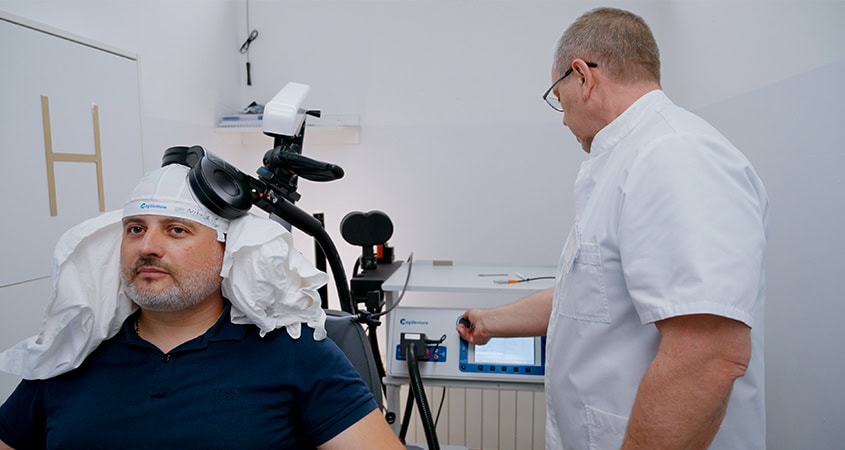
How Is Anxiety Treated?
Anxiety treatment involves a comprehensive, individually tailored approach aimed not only at relieving symptoms but also at identifying and addressing the underlying causes of the problem. Successful treatment is not simply about providing quick relief; it focuses on strengthening long-term emotional stability and developing healthy ways of coping with stress.
The treatment process begins with a thorough assessment of the person’s condition, including their symptoms, thought patterns, life circumstances, and the factors contributing to the development of anxiety. Based on this assessment, a treatment plan is created and tailored entirely to the individual.
Psychotherapy
Psychotherapy is the cornerstone of anxiety treatment and one of the most effective ways to achieve lasting results. Through working with a qualified therapist, a person learns to understand how their thoughts, emotions, and behaviours influence one another.
During therapy, anxiety triggers are identified, negative thought patterns are changed, and healthier ways of responding to stressful situations are developed. Psychotherapy also helps build self-confidence, improve emotional regulation, and restore a sense of security.
Self-Help Techniques
Practical techniques that can be used independently in everyday life are also an important part of treatment. These techniques help reduce immediate tension and prevent future episodes of anxiety.
These most commonly include breathing exercises, relaxation techniques, focusing attention on the present moment, and learning to recognise and interrupt negative thoughts. By practising these methods regularly, a person gradually gains greater control over their reactions.
Medication Therapy
In certain cases, when symptoms are severe or persistent, medication may also be prescribed. Its role is to reduce the intensity of symptoms and make daily functioning easier, particularly during the early stages of treatment.
It is important to emphasise that medication should only be used under the supervision of a qualified specialist and carefully tailored to each patient. The aim is not long-term reliance on medication, but rather to stabilise the condition and support the psychotherapeutic process.
Individualised Approach
Every person experiences anxiety differently, which is why there is no single solution that works for everyone. For this reason, the treatment plan is tailored to the individual, taking into account their symptoms, the underlying causes of the problem, life circumstances, and personal goals.
An individualised approach allows treatment to be tailored as closely as possible to the person’s needs, significantly increasing its effectiveness and supporting long-term results.
With properly guided treatment, it is possible to significantly reduce the symptoms of anxiety, regain control over thoughts and emotions, and restore a stable and fulfilling quality of life.
Why Is It Important to Treat Anxiety?
If left untreated, anxiety can become chronic and significantly affect every aspect of life. Prolonged exposure to stress and tension may lead to more serious mental health problems, such as depression, as well as physical health issues.
Anxiety often affects relationships, work performance, and overall quality of life. A person may begin to avoid situations that make them feel uncomfortable, which can gradually lead to withdrawal and social isolation.
Timely treatment helps keep symptoms under control, prevent the condition from worsening, and restore a sense of safety and stability in everyday life.
Schedule a Consultation
You do not have to face anxiety alone. Professional support can help you understand the underlying causes of your difficulties, learn how to manage your thoughts and emotions, and restore your inner balance.
With an individualised approach and the support of experienced professionals, it is possible to achieve lasting results and break free from persistent tension and fear.
Schedule a consultation and take the first step towards a calmer, more stable, and fulfilling life free from anxiety.
View or Download the Brochure
Learn more about the treatment program, process, and key information in our brochure.